


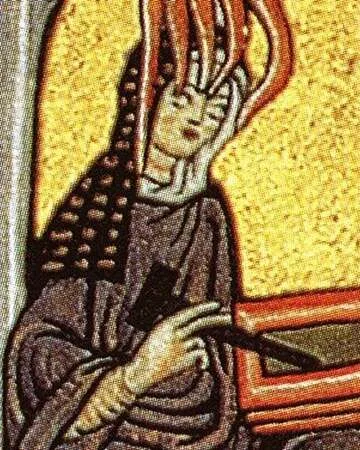
Hildegard von Bingen: Life and Legacy
Hildegard von Bingen was born in 1098 in Bermersheim, located in West Franconia, within the Holy Roman Empire. As a child, she experienced profound visions that would shape her life and works. Entering a Benedictine monastery at the age of 15, Hildegard distinguished herself not only as a devoted nun but also as a magistra (teacher) and a visionary thinker. Her spiritual insights drove her to write, compose, and advocate for a greater understanding of the natural world and human health.
Through her unique combination of mysticism and music, Hildegard became one of the most influential figures of the medieval period. Among her best-known works is the sacred musical drama Ordo Virtutum, which showcases her pioneering role as one of the first known female composers in history. Her contributions to music, theology, and natural history mark her life as truly remarkable.
Hildegard's Early Life and Vocation
Hildegard was the tenth child in her family, a situation known as "the tithe to God." This spurred her parents to dedicate her to the church. Her early experiences with visions and her divergent theological insights set the foundation for her later works.
Ordo Virtutum: A Groundbreaking Composition
In 1151, she composed Ordo Virtutum, which is considered a significant contribution to early Western music. The work is unique as it presents a morality play revolving around the conflict between virtues and vices. It features a rich tapestry of melodies showcasing her innovative approach to composition.
Hildegard's Impact on Music and Science
Throughout her life, Hildegard made substantial contributions not only as a composer but also as a writer and natural historian. Her extensive writings, including Scivias (Know the Ways), reflect a deep understanding of comparative medicine and spirituality.
Exploring the Depths of Hildegard's Writings
Her theological texts are celebrated for their depth and insight into the spiritual life as well as an appreciation of the natural world. Hildegard emphasized a holistic understanding of health, influenced by her deep spiritual beliefs.
The Relevance of Hildegard Today
Centuries later, Hildegard von Bingen remains a beacon of creativity and intellect, inspiring women in the arts and humanities. Her works are studied for their historical significance and their rich spirituality, bridging the gap between mysticism and scholarship.
Fun Fact
Hildegard von Bingen's Interesting Fact
Hildegard was not only a composer but also a visionary polymath; she founded her own convent and was consulted by contemporary nobles and popes for her theological opinions and medical knowledge.
Additional Resources
Recommended Reading on Hildegard von Bingen
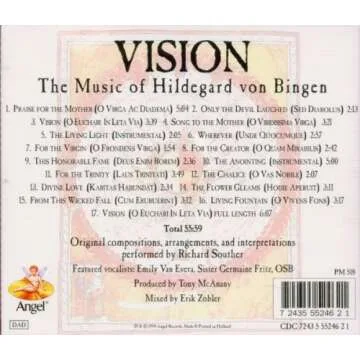
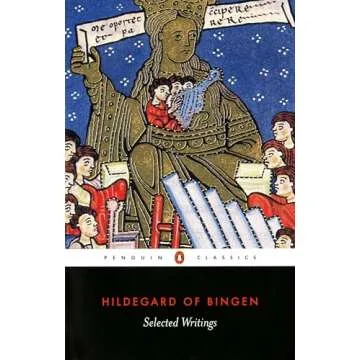
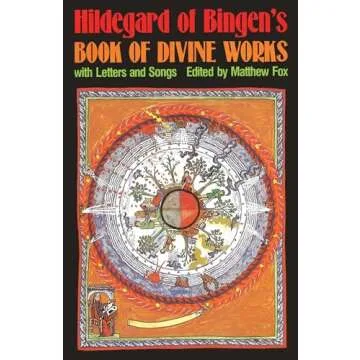
For those interested in exploring more about Hildegard's life and contributions, consider the following books: Hildegard of Bingen: A Spiritual Reader and Hildegard von Bingen: The Woman of the Vision. Both texts provide insights into her fascinating life and enduring influence.






 Continue with Google