




The Canonization of Hildegard von Bingen
In 2012, a significant moment in Catholic Church history unfolded when Pope Benedict XVI signed the decree of canonization for Hildegard von Bingen, a revered Benedictine nun, mystic, composer, and polymath. This important act marked the completion of a canonization process that had commenced back in 1228. Hildegard was an extraordinary figure whose contributions to theology, music, and the arts resonated through the centuries, and her official recognition as a saint underscored her lasting impact.
The canonization highlights Hildegard's profound spiritual insight and innovative contributions to medicine and music. She is remembered for her visionary writings and compositions, which exhibited a deep connection to the divine and an understanding of the human experience. The announcement was met with celebration by many throughout the church and beyond, further elevating her legacy.
Hildegard von Bingen's Life and Legacy
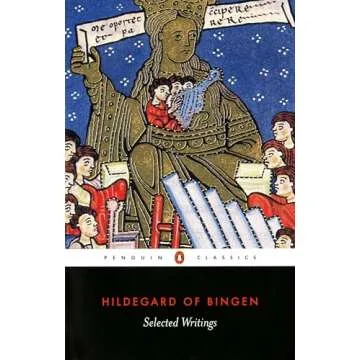
Born in 1098 in present-day Germany, Hildegard was the youngest of ten children and faced illness in her early years. Her visions began during childhood, which she later interpreted as divine inspiration. She entered a Benedictine monastery at a young age and eventually became its abbess. Hildegard founded her own convent in Rupertsberg, where she thrived as a writer, composer, and healer. Her works, including "Scivias," laid out her mystical experiences and perceptions of God.
Hildegard's Contributions to Music
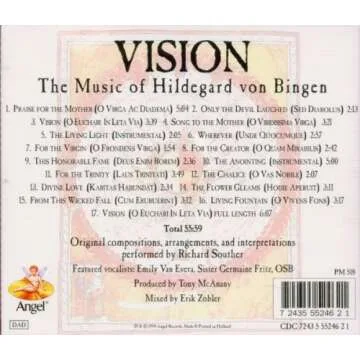
Beyond her religious and mystical pursuits, Hildegard was a prolific composer, creating a body of music that was unique and ahead of its time. She is known for her melodic sequences that express deep spirituality, utilizing a style that remains influential in modern sacred music. Her compositions reflect her profound understanding of the natural world and its connection to the divine, echoing her holistic approach to life.
Significance of the Canonization
Hildegard's canonization in 2012 was not just a formal decree but a celebration of her enduring influence as a spiritual leader, a mind avant-garde for her time, and a cultural icon in the modern age.
Recognition of Women in the Church
This moment also symbolized the recognition of women in the Catholic Church. Hildegard's sainthood serves as a reminder of the vital contributions women have made throughout church history. Her life exemplifies the wisdom, strength, and insight of female theologians, and her canonization has inspired many to explore the roles of women in the faith.
Current Impact of Hildegard von Bingen
Hildegard's legacy continues to thrive. Various groups, scholars, and churches celebrate her life through music festivals, academic research, and spiritual retreats. Since her canonization, interest in her work has surged, highlighting her as an essential figure in both the Christian tradition and the global spiritual landscape.
Fun Fact
Hildegard’s Interesting Fact
Did you know that Hildegard von Bingen was not only a nun but also a visionary healer? She wrote extensively on natural medicine and advocated for the connection between mind, body, and spirit, which was groundbreaking in the 12th century!
Additional Resources
Recommended Reading on Hildegard von Bingen
For those interested in delving deeper into Hildegard's writings and life's work, consider reading "Hildegard of Bingen: The Woman of Vision" by Barbara Newman or explore her musical compositions in "Hildegard von Bingen: The Complete Works" for a thorough understanding of her contributions.











 Continue with Google