


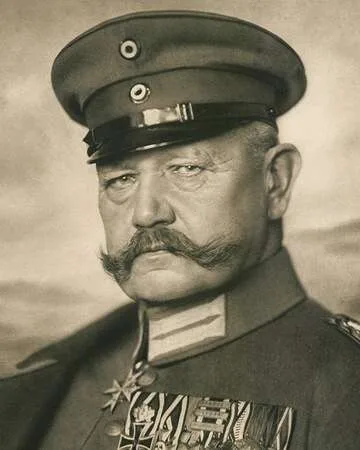
The Historical Significance of Hindenburg’s Election
On April 26, 1925, a pivotal moment in German history occurred when Paul von Hindenburg was elected as the President of Germany. This election not only marked a key event in the tumultuous period of the Weimar Republic but also set the stage for the rise of totalitarianism in Europe.
Who was Paul von Hindenburg?
Paul von Hindenburg, born in 1847, was a prominent military leader and statesman. Best known for his role as a field marshal during World War I, Hindenburg was hailed as a national hero after the war. His reputation and strong leadership skills contributed to him being a formidable presidential candidate during the election of 1925.
The Election Campaign of 1925
The 1925 presidential elections were held following the death of the first President, Friedrich Ebert. Hindenburg ran a campaign that emphasized stability and nationalism, which appealed greatly to a populace grappling with economic turmoil and political instability. His election represented a desire among Germans for strong leadership in a fragmented political landscape.
The Consequences of Hindenburg's Presidency
Hindenburg’s presidency lasted until his death in 1934. During this time, Germany faced significant challenges, including hyperinflation and the rise of extremist political factions.
Hindenburg and the Rise of Hitler
One of the most consequential decisions made by Hindenburg during his presidency was the appointment of Adolf Hitler as Chancellor in 1933. This move ultimately paved the way for the enactment of totalitarian rule in Germany, leading to the horrific events of World War II.
Hindenburg's Legacy
While Hindenburg is remembered for his military accomplishments, his presidency is often viewed through a critical lens. Many historians debate the extent of his responsibility in enabling the rise of the Nazi regime, as his later years in office were marked by increasing concessions to extremist groups.
Fun Fact
Hindenburg’s Unique Election Platform
Hindenburg ran for president on a platform that was quite unique for its time; he promised to uphold the constitution while also appealing to traditionalist values and nationalism, which resonated deeply with an electorate desperate for direction.
Additional Resources
Recommended Reading on Paul von Hindenburg
For those interested in exploring more about Hindenburg's life and his role in history, consider reading "The Hindenburg: The History and Legacy of the Famous German Airship" by Charles River Editors and "Hindenburg: Germany’s Sphinx" by Karl-Heinz Frieser.










 Continue with Google