


Margaret Mead’s Legacy Recognized
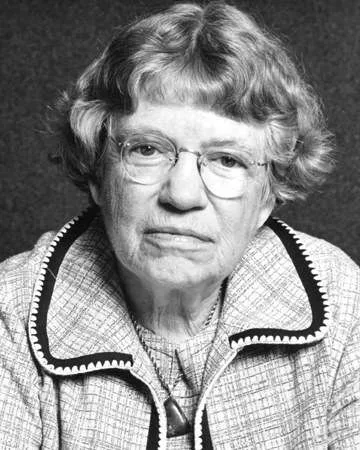
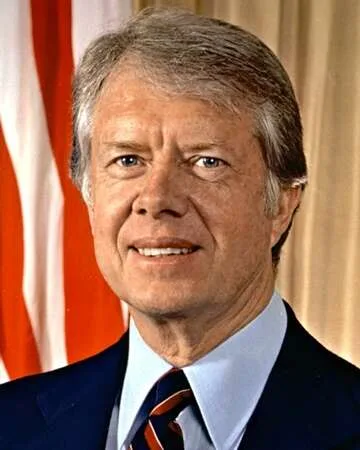
On a noteworthy day in 1979, President Jimmy Carter made a significant announcement that highlighted the impact of an extraordinary individual. The announcement was that Mead, a renowned anthropologist and cultural icon, was to receive the prestigious Presidential Medal of Freedom posthumously. This honor, given to individuals who have made significant contributions to the United States, further commemorated Mead’s groundbreaking work in the field of anthropology, illuminating her lasting influence on cultural studies and societal understanding.
The Life and Work of Margaret Mead
Margaret Mead was born on December 16, 1901, in Philadelphia, Pennsylvania. She became one of the most influential figures in anthropology, known for her studies of the cultures in the South Pacific, particularly in Samoa and New Guinea. Her book, Coming of Age in Samoa, published in 1928, challenged prevailing notions of adolescence and morality, showcasing how culture shapes human behavior. Mead’s keen observations and insights into gender roles and social structures made a lasting impact on not only anthropology but also on sociology and education.
A Pioneer for Women in the Field
As one of the first female anthropologists to gain widespread recognition, Mead paved the way for many women in the sciences. Her ability to communicate complex ideas through public lectures and writings made her approachable, allowing her to influence society beyond academic circles. During her lifetime, Mead became a symbol of enlightenment and progress, advocating for cultural understanding and social change through her robust research and humanitarian efforts.
A Presidential Honor in Remembrance
Mead’s contributions were not just academic; they were also deeply civic. President Carter’s decision to award her the Presidential Medal of Freedom highlighted how her work transcended the academic sphere to impact national discourse on cultural diversity and women's rights. This honor was a testament to her profound legacy and the respect she commanded, even beyond her lifetime.
The Presidential Medal of Freedom
The Presidential Medal of Freedom is among the highest civilian awards in the United States, initiated by President John F. Kennedy in 1963. It recognizes individuals who have made exceptional contributions to various fields, including public service, arts, and sciences. By bestowing this medal to Margaret Mead, President Carter acknowledged her extensive work in promoting understanding and compassion among people of different cultures.
Remembering Mead’s Influence Today
Mead’s legacy continues to inspire anthropologists and social scientists today. Her dedication to cultural anthropology and her insistence on the importance of understanding diverse perspectives remain vital in today’s increasingly globalized world. The enduring relevance of her teachings is a reminder of the importance of empathy and tolerance across cultures.
Fun Fact
Margaret Mead’s Interesting Fact
Did you know that Margaret Mead's work extended beyond academia? She was a passionate advocate for peace and social justice, working with various organizations, and even advising U.S. policymakers on cultural issues as a trusted expert.
Additional Resources
Recommended Reading on Margaret Mead
To dive deeper into the life and contributions of Margaret Mead, consider reading her influential books, such as Coming of Age in Samoa and Growing Up in New Guinea. These works provide a compelling glimpse into her fieldwork and the insights she provided about human behavior.










 Continue with Google