


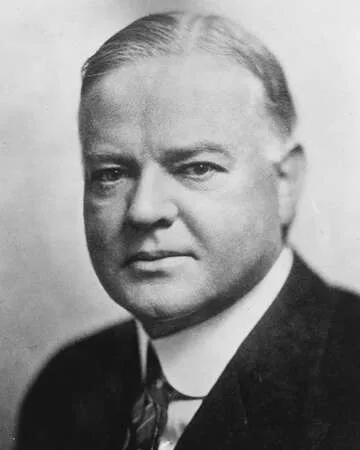
Understanding Hoover's Five-Day Work Week Proposal
In the midst of the Great Depression, President Herbert Hoover proposed a groundbreaking idea in 1932: the adoption of a five-day work week. At a time when unemployment was rampant and economic stability was a distant dream, Hoover believed that shortening the workweek could help spread available jobs among the populace. This innovative approach aimed not only to provide relief but also to address the alarming rates of unemployment that plagued the nation.
President Herbert Hoover's Vision
President Hoover, an influential figure during the early 20th century, understood the economic tensions that America faced. His five-day work week idea was a strategic response to severe job shortages. He believed that reducing the workweek could allow more people to work part-time, thereby alleviating some of the pressures felt by families struggling to make ends meet. This proposal was aimed at both private business sectors and government employment practices.
The Economic Context of 1932
1932 was a pivotal year, marked by widespread economic hardships caused by the Great Depression. Millions of Americans were without jobs, and efforts to combat the staggering unemployment were desperately needed. Hoover’s idea of a shortened workweek was met with mixed reactions; some executives embraced it, while others dismissed it as impractical given the financial constraints of their businesses.
The Impact and Reception of Hoover's Proposal
Although Hoover's proposal for a five-day work week was revolutionary, it faced numerous challenges in gaining acceptance across various sectors. Corporate leaders were hesitant to implement such changes, fearing a negative impact on productivity and profits. Nonetheless, the idea laid the groundwork for future labor discussions and emphasized the importance of work-life balance.
Public Reaction to Hoover's Initiative
The general public was divided in their response to Hoover's suggestion. While some saw it as a hopeful solution to job scarcity, others viewed it as an unrealistic dream during a time of financial despair. Hoover’s administration faced increasing pressure from labor unions advocating for workers' rights, which also influenced the dialogue around work hours.
The Legacy of the Five-Day Work Week Proposal
Although the five-day work week proposed by Hoover did not become widespread immediately, it certainly set the stage for future labor reforms. Over the next few decades, more businesses and industries began to adopt this practice, influencing U.S. labor laws and improving working conditions significantly.
Fun Fact
Hoover's Forward-Thinking Approach
Did you know that Herbert Hoover’s proposition for a five-day work week was part of a broader vision that encompassed various social reforms? His ideas would not gain significant traction until after he left office, highlighting the challenges of implementing such forward-thinking policies amidst economic turmoil.
Additional Resources
Recommended Reading on Herbert Hoover
For those interested in exploring more about President Hoover’s initiatives and struggles during the Great Depression, consider reading "Herbert Hoover: A Life" by Glen Jeansonne and "The Great Depression: A Diary" by Benjamin Roth. These texts provide deeper insights into Hoover’s presidency and the historical context of his policies.











 Continue with Google