


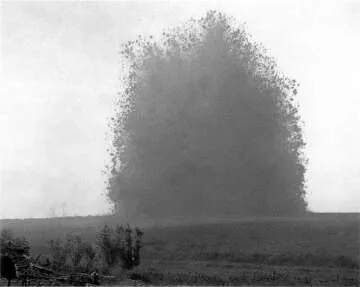
The Day Before the Battle of the Somme
On July 1, 1916, World War I was at a critical juncture, with the Allied forces preparing for what would become one of the most infamous battles in military history: the Battle of the Somme. British General Douglas Haig, in charge of the British Expeditionary Force, reported that, despite the impending conflict and daunting challenges ahead, his troops were in "splendid spirits". This sentiment stood in stark contrast to what lay ahead, as the battle would result in unprecedented casualties and loss.
General Haig's Outlook
General Douglas Haig, a prominent military leader, assessed his troops' morale just before the battle began. His message emphasized that the British soldiers were ready to face the enemy with confidence, a sentiment perhaps fueled by previous military campaigns that had instilled a sense of duty and resiliency in the troops. Haig, who believed strongly in the strategy of attrition, projected optimism even as he prepared for a day that would dramatically alter the course of the war.
The Context of Morale
The phrase "splendid spirits" reflected the hope and determination of the British forces during a time when success seemed achievable. However, the reality of trench warfare and the brutal conditions of the Western Front painted a different picture. The soldiers' willingness to serve and fight was strong, yet many were unaware of the catastrophic losses that would unfold in the coming hours. This disconnect highlights the challenges of leadership during wartime.
A Historical Turning Point
The Battle of the Somme began on July 1, 1916, a day that would mark a turning point in military strategy and public perception of the war. The artillery bombardment that had preceded the attack was intended to decimate German defenses, but it largely failed. As troops advanced, they faced a barrage of machine gun fire that resulted in over 57,000 British casualties, the worst on a single day in British military history.
The Impact of the Somme on British Forces
The aftermath of the Battle of the Somme significantly affected British military strategy and public opinion. While Haig maintained his belief in attrition, the immense toll on soldiers deeply shook the optimism he had reported just a day earlier. Failing to achieve a decisive breakthrough cast doubt on Haig's leadership and the strategies employed by the British command.
Long-Term Effects on Military Strategy
The lessons learned from the Battle of the Somme shaped future military engagements. Military leaders recognized the need for improved tactics, better coordination, and the importance of maintaining morale among troops. The battle marked a grim milestone in warfare, illustrating the cost of human lives in the pursuit of victory.
Fun Fact
Haig’s Interesting Note
Interestingly, despite his controversial role, General Douglas Haig was affectionately known as the "Butcher of the Somme" by some, reflecting the deep divide in opinions about his leadership and tactics during this catastrophic battle.
Additional Resources
Recommended Reading on the Battle of the Somme
For those looking to delve deeper into this momentous event, consider reading ‘The Somme’ by Peter Hart, or ‘The Battle of the Somme: The First Day’ by Haig's biographer, which provides detailed insights into the events and decisions that led to the bloodshed.








 Continue with Google