


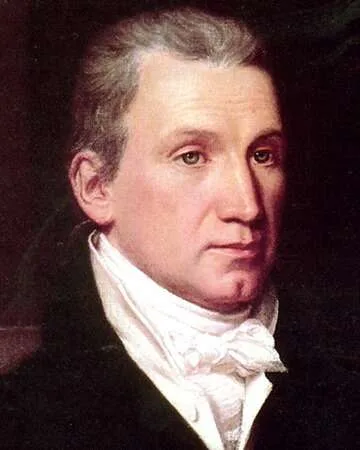
The Historical Inauguration of James Monroe
On March 4, 1817, a significant chapter in American history unfolded as James Monroe was inaugurated as the 5th President of the United States. Coming from the backdrop of a war-torn nation, Monroe’s ascension to the presidency marked a pivotal moment that would shape the future of the United States. He was a key figure in American politics, representing a nation eager for peace and growth after the War of 1812.
During his inauguration ceremony, Monroe emphasized unity and national pride in his address, sentiments that resonated deeply with the American citizens of the time. Free from the divisive politics that had characterized earlier elections, his presidency embodied the spirit of the “Era of Good Feelings,” a time when the nation was relatively peaceful and prosperous.
James Monroe's Early Life and Career
Before becoming president, James Monroe was born on April 28, 1758, in Westmoreland County, Virginia. His early life was steeped in the revolutionary spirit, and he became a soldier in the American Revolutionary War. Over the years, Monroe served in various capacities, including as Governor of Virginia and as a diplomat in major European capitals, which played a crucial role in shaping his foreign policy views as president.
Significant Contributions and Policies of Monroe
As president, James Monroe is perhaps best known for the Monroe Doctrine, a cornerstone of American foreign policy that aimed to prevent European interference in the Americas. His administration also focused on westward expansion and the acquisition of Florida, showcasing a strong commitment to growth and national sovereignty.
The Legacy of James Monroe
James Monroe’s presidency was marked by significant accomplishments that influenced the trajectory of the United States. His advocacy for national unity and economic expansion laid the groundwork for future leaders, strengthening the roots of American democracy.
Presidential Achievements of James Monroe
Under Monroe’s leadership, the nation experienced impressive territorial growth, and he successfully navigated various domestic and international challenges. The Missouri Compromise of 1820, which aimed to maintain the balance of free and slave states, highlighted Monroe’s diplomatic skill during a contentious period in American history.
Monroe's Influence on American Identity
Monroe’s presidency played a crucial role in shaping American identity. His establishment of policies directed towards nationalism and economic development signified a shift towards a more unified national vision, which remained influential throughout subsequent administrations.
Fun Fact
James Monroe's Interesting Fact
Did you know that James Monroe is one of only three U.S. Presidents who were also Founding Fathers? His deep involvement in the formation of the nation set him apart, marking his presidency as a continuation of the pursuit of the ideals laid out by the nation’s founders.
Additional Resources
Recommended Reading on James Monroe
For those interested in delving deeper into the life and influence of James Monroe, consider reading "James Monroe: The History of the Fifth President of the United States" and "The Monroe Doctrine: Empire and Nation in Nineteenth-Century America". These books provide valuable insights into his presidency and legacy.







 Continue with Google