


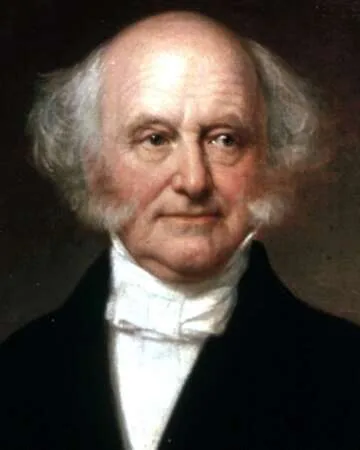
Historic Day: Martin Van Buren Takes Office
On March 4, 1837, Martin Van Buren was inaugurated as the 8th President of the United States. This landmark event not only marked a significant transition in leadership but also symbolized the continuation of the Democratic Party's influence on American politics. Van Buren, who had previously served as Vice President, Secretary of State, and a key architect of the party, approached his presidency with a vision of a more democratic governance, advocating for the common man.
The Journey to Presidency
Born in Kinderhook, New York, in 1782, Martin Van Buren was a pivotal figure in the formation of the Democratic Party. His political stature began to rise as he was instrumental in the campaign of Andrew Jackson, who became the 7th President. Van Buren's ability to unite various factions within the party showcased his adept political skills. By the time he took the oath of office, he was well-prepared to lead the nation amid growing economic challenges and sectional divides.
Martin Van Buren's Vision for America
In his inaugural address, Van Buren spoke to the necessity of preserving the Union and addressed the responsibilities of government to foster economic development. His vision extended to the importance of protecting individual rights and promoting equality, principles that resonate deeply within the fabric of American democracy.
Challenges Ahead for Van Buren
Despite his promising start, Martin Van Buren's presidency would soon be overshadowed by a severe economic downturn known as the Panic of 1837. As a leader, he faced immense pressure to respond effectively to the deteriorating national economy and widespread unemployment.
Facing Economic Crisis
Van Buren quickly realized the limitations of his presidential powers in confronting the economic crisis. He opposed governmental intervention, believing in a minimalistic approach to government, which led to political fallout and criticism from his opponents. The struggles of his administration served as a testament to the volatile nature of economic management during that period.
Political Landscape During Van Buren’s Tenure
The period of Van Buren's presidency also saw escalating tensions between the North and South, primarily over issues such as slavery and states' rights. His commitment to the principles of democracy and an equal representation further complicated his efforts to maintain harmony among divided factions.
Fun Fact
Martin Van Buren and the Birth of the Name "Democratic Party"
Interestingly, Martin Van Buren is credited with formalizing the name "Democratic Party" in the 1820s, moving away from the earlier term "Republican" which indicated a broader coalition. This change reflected a shift towards a more modern political identity that emphasized the voice of the common people.
Additional Resources
Recommended Reading on Martin Van Buren
To dive deeper into the life and presidency of Martin Van Buren, consider reading The American Presidents Series: Martin Van Buren by James C. Curtis or Martin Van Buren: The Romantic Age of American Politics by John Niven.











 Continue with Google