


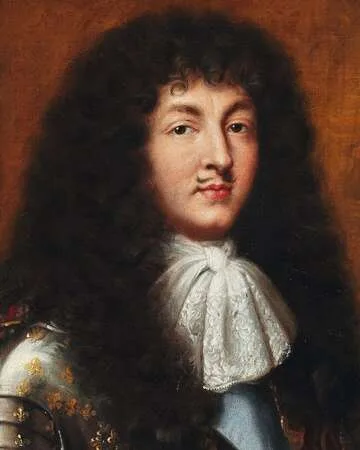
The Grand Inauguration of the Palace of Versailles
In 1664, KING LOUIS XIV of France officially inaugurated the magnificent Palace of Versailles, a landmark moment that would redefine royal residence and governance in France. This event symbolized the peak of absolute monarchy, showcasing Louis XIV's vision of a centralized state. The palace's opulent architecture and extensive gardens became a representation of his power and authority.
Originally a hunting lodge for Louis XIII, the Palace of Versailles underwent a transformation that turned it into one of the largest and most luxurious palaces in the world. Louis XIV moved the court and government here, marking the beginning of a new era in French history. The inauguration was celebrated with lavish festivities, depicting the king's grandeur.
The Vision of Louis XIV
KING LOUIS XIV, often referred to as the "Sun King," envisioned the Palace not only as a residence but as the heart of the French monarchy. He believed that the splendor of Versailles would reflect his power. The vast gardens, designed by ANDRÉ LE NÔTRE, and the stunning Hall of Mirrors exemplified this vision, where art and nature converged to impress visitors.
The Role of Versailles in French Politics
Versailles served as the political hub of France post-inauguration. By hosting the nobility, Louis XIV effectively controlled and monitored them, reducing their power and influence. He instituted elaborate rituals at the court, reinforcing the idea of the king as the ultimate authority.
Architectural Marvel and Cultural Epicenter
The Palace of Versailles is not only an architectural masterpiece but also a cultural epicenter. Its construction involved renowned artists, architects, and landscape designers who collaborated to create a space of unparalleled beauty. This transformation laid the foundations for subsequent French artistic movements.
Art and Architecture at Versailles
Versailles is renowned for its stunning architecture, with a blend of classical and baroque styles. The palace's exquisite interior features intricate frescoes and lavish decorations. ARTISTS LIKE CHARLES LE BRUN contributed to the aesthetic mastery, making every room a work of art.
Versailles as a Symbol of Absolute Power
Louis XIV's establishment of Versailles solidified its status as a symbol of absolute power. The palace served not just as a residence but as a point of identity for the monarchy, influencing the future of governmental architecture across Europe.
Fun Fact
A Unique Tradition
One interesting fact about the Palace of Versailles is that it became a cultural template for other royal palaces across Europe, inspiring countless imitations in style and grandeur. Additionally, the vast gardens feature over 200,000 trees and various sculptures, showcasing the artistry tied to nature.
Additional Resources
Recommended Reading on Versailles
For those interested in learning more about this iconic palace, consider reading The Splendor of Versailles by Gérard Antoine and Versailles: A Biography of the Palace by Tony Spawforth. These works offer deep insights into the history, architecture, and cultural significance of the Palace of Versailles.







 Continue with Google