


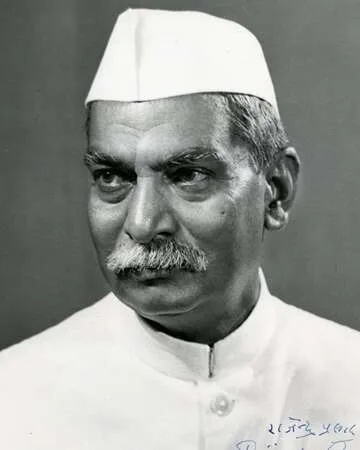
The Historic Significance of India's 1st Constitution
The year 1950 marked a monumental chapter in India's history as the nation adopted its first constitution, a moment that solidified its identity as a sovereign democratic republic. The adoption of the constitution on January 26, 1950, not only established a framework for governance but also aimed to ensure justice, liberty, and equality for all citizens. This remarkable document was the culmination of a long struggle for independence from colonial rule and reflected the aspirations of millions for a free and just society.
Rajendra Prasad: India's First President
Investment in leadership became a priority as India transitioned into a new governance model. On the very same day, Rajendra Prasad was elected as India's first President, symbolizing the nation’s commitment to democracy. Prasad, a prominent leader in the Indian independence movement, was known for his humility and dedication to public service. His election was a pivotal moment, assuring the citizens that their new government would be led by someone with integrity and a steadfast vision for the nation.
The Role of Rajendra Prasad as President
As President, Rajendra Prasad had significant responsibilities, acting as the ceremonial representative of the nation while also playing a crucial role in the political landscape. He served as a guiding force during the formative years of the Republic, ensuring that the principles laid out in the constitution were upheld. His tenure symbolized stability and continuity in governance, aiding in the nation’s transition into an independent and democratic entity.
Values and Principles of the 1950 Constitution
The 1950 Constitution laid down important values, promoting social justice, equality, and fraternity among all citizens. It provided a blueprint for a state dedicated to the welfare of its people, ensuring that the diverse fabric of India was respected and protected. The constitution established fundamental rights that promised freedom of speech, expression, and life, framing a progressive path for the nation.
The Foundation of Democratic Norms
Emphasizing democratic norms, the constitution also created the framework for a parliamentary system of governance. This allowed for the representation of the people in decision-making processes, ensuring their voices were heard. Rajendra Prasad played a key role in endorsing these practices, reinforcing the concept of a government by the people, for the people.
Citizen Engagement and Rights
The inclusion of various articles concerning fundamental rights created a strong foundation for citizen engagement in governance. This empowering legislation encouraged active participation, enhancing civic responsibility among the populace. The ideals set forth in the 1950 Constitution continue to inspire generations of Indians to safeguard democracy and equality.
Fun Fact
Rajendra Prasad’s Love for Education
Rajendra Prasad was not only a political leader but also a well-read individual who valued education immensely. He was a strong promoter of educational reform in India, believing it to be essential for national progress and empowerment.
Additional Resources
Recommended Reading on Rajendra Prasad and India’s Constitution
For those interested in delving deeper into this pivotal moment in Indian history, consider reading “Rajendra Prasad: The First President of India” by R. K. Sharma or “The Constitution of India: A Commentary” by H. M. Seervai. These works provide insightful perspectives on the era and the values enshrined in the constitution.











 Continue with Google