


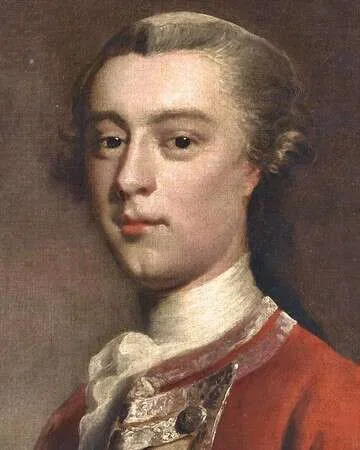
The Early Life of James Wolfe
James Wolfe’s Birth and Childhood
Born in 1727 in Westerham, England, James Wolfe was destined for military greatness from an early age. His father, a soldier himself, instilled a strong sense of duty in him, paving the way for a career that would change the tide of history. Wolfe showed promise as a leader and strategist very early on, quickly rising through the ranks of the British Army.
Education and Military Training
Despite his aristocratic lineage, James Wolfe’s education was not at the hands of private tutors alone. The experiences of living in military quarters and his formal training at a young age ingrained military discipline and tactics in him. His service in various campaigns prior to the infamous siege of Quebec honed his skills and prepared him for the challenges ahead.
The Siege of Quebec: A Turning Point
Wolfe's Leadership in the Battle of Quebec
In 1759, Wolfe commanded British forces in the decisive battle at Quebec during the Seven Years' War. His strategy was audacious, involving a covert night-time assault that allowed his troops to scale the cliffs overlooking the city. This daring maneuver caught the French forces off guard and showcased Wolfe’s tactical genius as he led his men to victory.
The Fateful Outcome of the Siege
Though victorious, the battle came at a severe cost. Both Wolfe and his French counterpart, General Montcalm, were mortally wounded, marking the end of an era. Wolfe's leadership and bravery won the day, and Quebec fell into British hands, solidifying British dominance in Canada. His legacy as a military hero was secure, and his actions had far-reaching effects on North American history.
James Wolfe's Legacy
Impact on British Military History
James Wolfe is remembered not just for his victory at Quebec, but as a figure who embodied the spirit of the British Empire during a tumultuous time. His tactics and strategies are still studied in military academies today, serving as a testament to his influence on army operations.
A National Hero
In honor of his contributions, numerous memorials and monuments exist throughout the UK and Canada, celebrating Wolfe’s heroism and the importance of the Siege of Quebec in shaping modern North America. Schools, ships, and local landmarks have been named after him, preserving his memory for future generations.
Fun Fact
James Wolfe’s Last Words
As he lay dying on the battlefield after securing his victory, Wolfe reportedly uttered the words, “I die happy.” This powerful statement serves as a poignant reminder of his commitment to his duty and the sacrifices made in the name of military service.
Additional Resources
Recommended Reading on James Wolfe
For those interested in learning more about James Wolfe, the book "The Battle of Quebec: 1759" by James A. L. Drexler provides intricate details on his military campaigns. Another insightful read is "Wolfe: A Captains Life" by Chris Ryan, which dives deeper into his life and legacy.











 Continue with Google