


John Adams Takes the Oath of Office
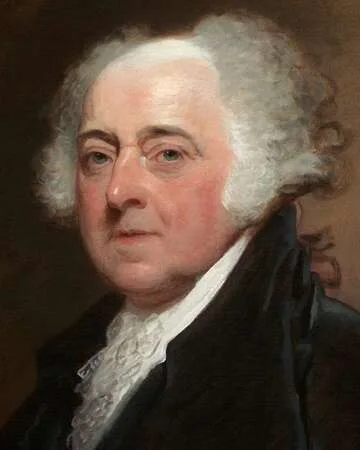
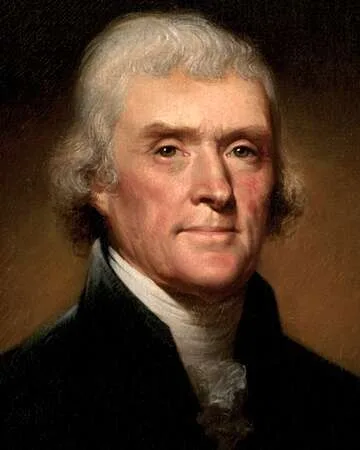
On March 4, 1797, a significant chapter in American history began with the inauguration of John Adams as the 2nd President of the United States. Adams, who was previously a pivotal figure in the American Revolution, set forth to lead the nation in its early years of independence. Alongside him, Thomas Jefferson was inaugurated as the 2nd Vice President, marking a crucial partnership in the nascent government.
John Adams: The Founding Father
Born on October 30, 1735, in Braintree, Massachusetts, John Adams played a key role in advocating for independence from British rule. He was instrumental in drafting the Declaration of Independence and later became a diplomat in Europe. His presidency was marked by challenges, yet his commitment to American ideals remained steadfast.
Thomas Jefferson: The Working Vice President
Thomas Jefferson, who served as Vice President under Adams, was another Founding Father renowned for authoring the Declaration of Independence. Born on April 13, 1743, in colonial Virginia, Jefferson’s perspectives on democracy and governance profoundly influenced the United States government.
The Challenges Ahead for Adams and Jefferson
During his presidency, John Adams faced significant challenges, including escalating tensions between the United States and France. The political landscape was turbulent, with growing divisions between the Federalists, who supported Adams, and the Democratic-Republicans, led by Jefferson. These differences set the stage for intense political battles.
Foreign Affairs during Adams' Presidency
Adams' approach to foreign policy was cautious. He prioritized diplomacy over war, notably choosing to negotiate peace with France rather than engage in conflict. This decision, while unpopular with some Federalists, underscored his belief in maintaining national stability and avoiding unnecessary bloodshed.
Building a Nation: The Domestic Scene
Domestically, Adams worked on establishing a strong federal government. He faced significant opposition and criticism, but he emphasized the importance of unity and governance amid rising partisan conflicts. His focus on maintaining peace and order set a crucial precedent for future administrations.
Fun Fact
Adams and Jefferson: A Complex Relationship
Interestingly, the relationship between John Adams and Thomas Jefferson evolved over time. Although they were close friends and collaborators during the American Revolution, their political ideologies led to a rift that lasted many years. They eventually reconciled and even corresponded extensively later in life, sharing their thoughts on democracy.
Additional Resources
Recommended Reading on John Adams
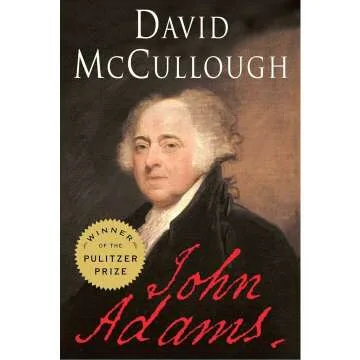
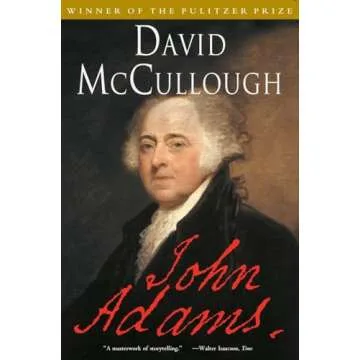
For those interested in learning more, consider reading “John Adams” by David McCullough, which provides an in-depth look at Adams' life and presidency. Another excellent resource is “Founding Brothers” by Joseph J. Ellis, that explores the relationship between key figures of the American Revolution.








 Continue with Google