


First Step into Infamy: The New Carlisle Bank Robbery
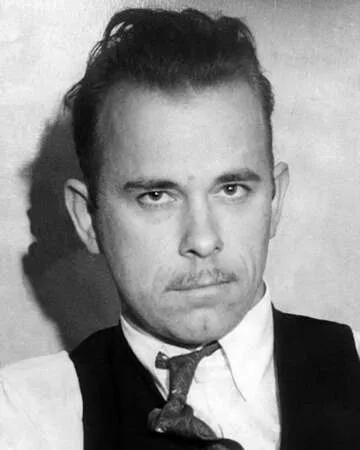
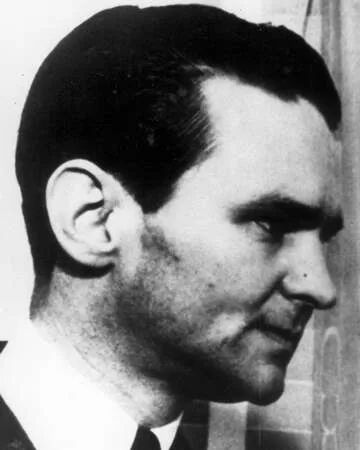
On September 15, 1933, a notorious figure in American crime history, John Dillinger, made his mark by committing his very first bank robbery in New Carlisle, Ohio. Dillinger, who would later become a household name as the infamous gangster of the Great Depression, executed a daring heist that would pave the way for his criminal career. During this audacious act, he and his crew made off with a staggering sum of $10,600, an amount that would translate to a much more significant value today due to inflation.
This robbery was not just a simple theft; it was a calculated move that showcased Dillinger's intelligence and cunning. The heist began as the bank was about to open for the day, making it both risky and exhilarating. Dillinger and his men armed with guns, stormed into the bank and commanded the employees and customers alike. With swift precision, they gathered the cash and made their escape before law enforcement could respond. This event marked the start of a crime spree that would lead Dillinger to become one of the most wanted criminals in America.
John Dillinger's Early Life and Criminal Path
Born on June 22, 1903, in Breeding, Indiana, John Dillinger grew up in a world plagued by poverty and crime. His early experiences, including his troubled relationship with law enforcement, shaped him into the criminal he would become. After serving time for petty theft and other crimes, Dillinger found himself drawn into the world of bank robbery, which promised the thrill and financial gain he craved.
The Ingenious Planning Behind the Heist
Before the New Carlisle bank robbery, Dillinger spent time scouting locations and planning meticulously for the most efficient getaway. He recognized the importance of timing and surprise, which he utilized to perfection during the robbery. This careful planning was essential for his future heists, where he would implement similar strategies that showcased his criminal ingenuity.
The Impact of Dillinger's Robbery Spree
John Dillinger's robbery in New Carlisle was not an isolated event; it was part of a larger wave of bank heists throughout America during the Great Depression. This era saw an increase in criminal activities as desperate individuals sought ways to survive. Dillinger’s notoriety grew as he committed numerous robberies, becoming a symbol of rebellion against the financial institutions that many blamed for their hardships.
Dillinger as a National Figure
The fame surrounding John Dillinger grew exponentially after his early heists, including the one in New Carlisle. His style, charisma, and the manner in which he evaded capture struck a chord with the American public. During a time of great economic difficulty, many viewed him not just as a criminal but as a sort of folk hero—a man fighting against the establishment.
The Aftermath of the Heist
Shortly after the New Carlisle robbery, Dillinger's criminal activities escalated, leading to a series of bank heists across several states. These events sparked considerable media coverage, and Dillinger became one of the FBI's most sought-after fugitives. His ability to slip away from law enforcement time and again only added to his legend.
Fun Fact: Dillinger's Secret Weapon
The Tommy Gun: Dillinger's Choice
During this time, Dillinger famously used a Tommy gun, a submachine gun that became iconic in gangster folklore. Its power and rapid-fire capability made it a favorite among criminals during the era, assisting Dillinger in his bank heists and shootouts with police.
Additional Resources
Recommended Reading on John Dillinger
For those interested in delving deeper into the life of John Dillinger, consider reading “Dillinger: The Untold Story” by Edward J. Larson or “The Life and Times of John Dillinger” by Robert H. W. Dee. Both books provide fascinating insights into the infamous bank robber's life and times.





 Continue with Google