


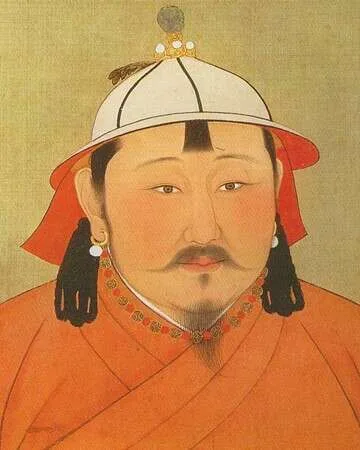
The Rise of Külüg Khan
In 1307, a pivotal moment in Mongolian history unfolded as Külüg Khan ascended the throne to become Emperor of China and the seventh Great Khan of the Mongol Empire. His rise was marked by considerable military prowess and political acumen as he successfully navigated the intricate web of rival factions vying for power. After overcoming challenges from various competitors, including those loyal to his uncle, Temür Khan, Külüg Khan asserted his dominance, establishing a new era for the Mongolian imperial lineage.
Külüg Khan's Background
Külüg Khan, born into a notable lineage of the Mongol royal family, had the unique advantage of understanding both the Mongolian traditions and the administrative practices necessary to govern a diversified empire. His upbringing in the turbulent environment of the Mongol court shaped him into a leader capable of strategic thought and decisive action.
Political Struggle and Ascendancy
The road to power was anything but straightforward for Külüg Khan. Contending with various potent factions who sought to claim the title for themselves, he intricately navigated alliances and betrayals, gradually consolidating his forces. The defeat of rival factions increased his prestige and laid the foundation for his recognition as the rightful Khan.
Significance of Külüg Khan's Reign
Külüg Khan's enthronement was a turning point not just for the Mongol Empire but also for the territories under its influence, particularly China. His reign emphasized a transition where Mongol leadership began to actively embrace aspects of Chinese culture and governance, forming a crucial bridge between East and West.
Integration of Cultures
Under Külüg Khan’s rule, there was a considerable focus on fostering ties with the Han Chinese population. This included administrative reforms and initiatives that promoted the use of the Chinese language in government, which bridged the divide between the conqueror and the conquered and fostered a sense of unity within the vast empire.
Challenges and Achievements
While he faced several challenges, including internal dissent and the management of vast territories, Külüg Khan's reign was notable for its achievements in maintaining relative peace and stability. His leadership resulted in advancements in trade and cultural exchanges that would benefit the region economically and socially.
Fun Fact
Külüg Khan's Interest in Leadership
One interesting fact about Külüg Khan is his dedication to governance, which was influenced in part by his observation of the efficient administrative methods of the Chinese dynasties. His interest was not merely in conquest but in building a lasting legacy through effective leadership.
Additional Resources
Recommended Reading on Külüg Khan
If you wish to explore more about Külüg Khan and the Mongol Empire, consider reading The Mongol Art of War by Timothy May and The Mongol Invasion of Japan by Stephen Turnbull. Both books provide valuable insights into the strategies and cultural contexts of Mongol leadership.









 Continue with Google