


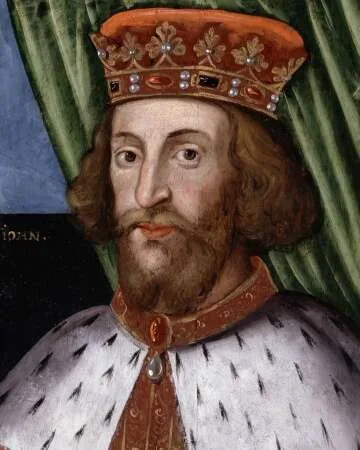
The Crucial Oath of King John
In 1215, during a tumultuous period in England, King John took a significant step by making an oath to the Pope, Innocent III, in a bid to strengthen his rule. This oath was not merely a personal commitment but a strategic maneuver in the greater context of the ongoing power struggles between monarchs and the Church. By embracing the title of a crusader, King John sought to secure the Pope's backing and, consequently, stabilize his controversial reign.
King John's Commitment as a Crusader
King John declared his intention to embark on a crusade to reclaim the Holy Lands, thereby pledging loyalty to Pope Innocent III. This proclamation was an attempt to garner support from not only the religious circles but also from his rebellious barons, who had become increasingly disillusioned with his rule. The promise of a crusade symbolized a union between church and state, aiming to elevate his legitimacy and counter the mounting opposition he faced at home.
The Role of Pope Innocent III
Pope Innocent III played a pivotal role in this event. Known for his assertive approach to church policy and politics, he was instrumental in the politics of the time. By accepting King John's oath, Innocent III intended to have a firm ally in England, thus enhancing the Church’s influence over the kingdom and ensuring that King John remained under papal control.
Consequences of the Oath
The oath taken by King John had profound implications for England. While he sought to bind the barons and rally the people, the opposite occurred; it became a catalyst for further dissent among the nobles, leading to the eventual rebellion known as the First Barons' War.
The Conflict with the Barons
King John's oath, rather than uniting the factions within England, exacerbated tensions. Many barons viewed his pledge to the Pope as a betrayal, feeling that John valued foreign allegiances over national stability. This conflict escalated, leading to the formation of the Barons' Council and ultimately contributing to the signing of the Magna Carta in the same year.
The Legacy of King John's Oath
King John's oath is remembered as a turning point in English history. The events that followed highlighted the growing power of the barons against the crown and showcased the Church’s influence in royal affairs. It set the stage for constitutional changes that would reverberate throughout English governance for generations.
Fun Fact
King John's Unexpected Crusade
Interestingly, King John never actually went on the crusade he promised. His oath was largely seen as a political move, and it remains a topic of discussion among historians about the effectiveness of such oaths in medieval politics.
Additional Resources
Recommended Reading on King John's Oath
For those interested in exploring more about this pivotal moment in history, consider reading The Magna Carta: A Very Short Introduction by Nick O’Brien and The Reign of King John by David Carpenter. These works delve deeper into the complex relationships between King John, the barons, and the Church.

![The Green Berets [Blu-ray] - A John Wayne Classic Film](https://assets.giftpals.com/assets/uc/Gift/Mu8vHG1TSstA/1/thumbnail_default_1.webp?dMWGtlfh33xv)




 Continue with Google