


Understanding King Richard's Feast 1387
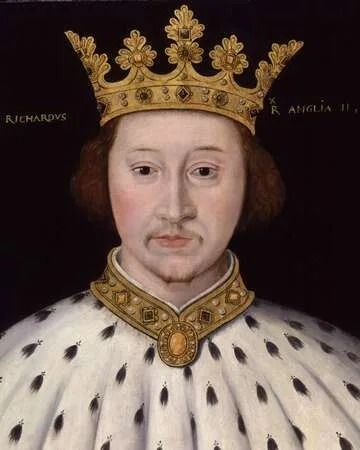
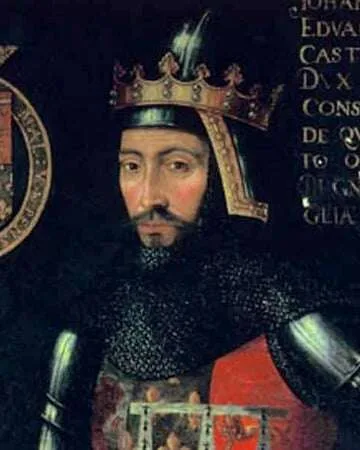
The year 1387 marked an extraordinary event in medieval history known as King Richard's Feast. This extravagant banquet was held in London in honor of King Richard II and John of Gaunt, reflecting the opulence and culinary prowess of the time. This feast is celebrated not only for its lavishness but also for the insight it provides into the social and economic conditions of 14th-century England.
The Magnificence of King Richard's Feast
Imagine a grand hall filled with the aroma of roasted meats, pastries, and sweet delicacies — all prepared for a royal gala! The floor was literally covered with a feast for the eyes as well as the palate. The menu was a testament to the riches of the crown, featuring an astonishing array of over 14 salted oxen, 120 sheep, 1,200 pigeons, and a whopping 11,000 eggs. This lavish spread exemplified the excessiveness of feasting during the medieval period.
King Richard II and John of Gaunt's Roles
The presence of King Richard II and John of Gaunt at the feast highlighted the political alliances and the power dynamics of the English monarchy at the time. John of Gaunt, the Duke of Lancaster, was not only a key royal figure but also a supporter and uncle of Richard II. Their relationship and mutual support were pivotal during a period of significant political turmoil in England.
The Cultural Impact of the Feast
This exceptional event illustrated the medieval culture surrounding feasting and social gatherings, where meals were grand displays of wealth and power. The food served at the feast was not just sustenance; it was a visual and social centerpiece, bringing nobles and dignitaries together to strengthen alliances.
The Foods of the Feast
The sheer quantity of food served at King Richard's Feast reveals much about the era's gastronomic practices. Meat was a symbol of status, and the extensive variety served showcased the wealth of the monarchy. Such feasts were designed to impress and solidify one's social standing.
Feasting Traditions in 14th Century England
Feasting was a common practice among the nobility in medieval England, often serving social and political purposes. Events like King Richard's Feast exemplified the grandeur such gatherings could achieve, with intricate rituals and entertainment accompanying the meals.
Fun Fact
Rich History Behind King Richard's Banquets
Did you know that feasts like the one held in 1387 were not merely meals? They lasted for hours and were accompanied by entertainment, including musicians and dancers, making them vibrant social gatherings full of life!
Additional Resources
Recommended Reading on King Richard's Feast
For those intrigued by medieval feasting, consider reading "The Medieval Feast" by Marcia Williams for an engaging insight into culinary traditions. Another classic is "Food and Drink in Medieval England" by Peter A. McCluskey, which provides a deeper understanding of the role of food in society during that period.








 Continue with Google