


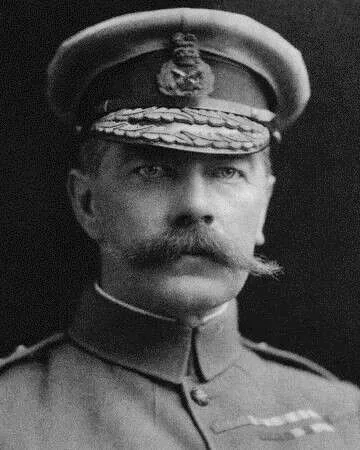
The Historic Encounter at Fashoda
On September 18, 1898, a significant event unfolded in the heart of the Sudanese wilderness. Lord Kitchener, the British military commander, arrived at Fashoda after a grueling journey from Khartoum. This was not merely a travel undertaking; it marked a pivotal moment in the struggle for colonial supremacy between Britain and France in Africa. Kitchener's mission was clear: to assert British control over Sudan amid rising tensions due to French expansionist ambitions.
Lord Kitchener’s Role in the Fashoda Crisis
Born in 1850 in Ireland and educated at the Royal Military Academy, Lord Kitchener played a crucial role in British military history. As a commander, he had already made his mark on the British campaigns in Egypt and the Sudan during the *Mahdist War*. His decisive leadership had seen the British forces gain significant ground, resulting in the re-establishment of British control. The encounter at Fashoda would be another test of his resolve and tactical acumen.
French Objectives at Fashoda
On the other side, French ambitions were catalyzed by their desire to establish a trans-African empire, connecting Algeria to French territories in the east. Fashoda, strategically positioned along the Nile and convenient for French military logistics, became a focal point for their colonial aspirations. Hence, as Kitchener's forces approached, they were destined for a confrontation that could reshape African colonial boundaries.
The Tensions Unfold
As the British and French forces converged at Fashoda, a series of negotiations and confrontations ensued. Each side bristled with national pride and promises of territorial control, leading to a diplomatic standoff that reverberated throughout Europe.
The Standoff and Diplomatic Efforts
The initial confrontation saw both sides remaining fiercely protective of their claims. Kitchener, upholding Britain's interests, required the full backing of his government, which was facing pressure from both the public and the press. Diplomatic negotiations began in earnest as both nations sought to avoid a military clash while reinforcing their respective colonial claims.
Resolution of the Crisis
Ultimately, the Fashoda incident exposed the fragility of colonial politics – highlighted by both nations' eagerness to maintain peace. After lengthy discussions, an agreement was struck that favored British claims over Sudan while granting French access to substantial regions in West Africa, thus averting potential conflict. The outcome of Fashoda helped define the “Entente Cordiale” signed in 1904, laying the groundwork for cooperative colonial policies.
Fun Fact
The Unlikely Diplomatic Resolution
Interestingly, despite the tension between the two parties, the resolution of the Fashoda crisis marked the beginning of a more coordinated approach to colonial governance between Britain and France in Africa, leading to important partnerships that shaped decades of imperial policy.
Additional Resources
Recommended Reading on the Fashoda Incident
For those interested in further exploring this topic, consider reading The Fashoda Incident by Philip Ziegler and Fashoda: The Clash of Empires in Africa by Richard Davis. These works offer in-depth analyses of the political intricacies and historical significance surrounding the event.










 Continue with Google