


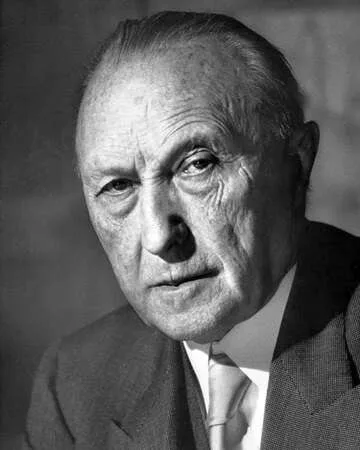
The Political Landscape of Post-War Germany
In 1953, a significant chapter unfolded in the history of the Federal Republic of Germany with the re-election of Konrad Adenauer as Chancellor. This event occurred in the wake of World War II and amidst the challenges of rebuilding a nation that had been deeply scarred by conflict. Adenauer, a member of the Christian Democratic Union (CDU), had already made substantial contributions to Germany's recovery and was now seeking a second term in leadership.
Konrad Adenauer's Background
Born on January 5, 1876, in Cologne, Germany, Konrad Adenauer rose through the political ranks during a tumultuous period in German history. He had previously served as the Mayor of Cologne and became an essential figure in forming a stable and democratic Germany after the war. His leadership style, marked by pragmatism and a commitment to Western alignment, laid the groundwork for West Germany’s role in Europe.
The 1953 Election and its Challenges
In the 1953 federal elections, Adenauer’s CDU faced a considerable challenge, as the country was still navigating the socio-economic repercussions of the war. The CDU won 45.3% of the votes, securing 227 out of 502 seats in the Bundestag. However, this meant that Adenauer's party fell short of an outright majority by only one seat, which complicated the formation of a stable government.
Adenauer’s Vision for Germany
During his second term, Konrad Adenauer aspired to solidify the foundations of West Germany as a democratic state. His government focused on economic recovery and integration into the Western community, emphasizing relationships with NATO and the European Economic Community.
Economic Policies Under Adenauer
Adenauer’s administration implemented the social market economy, which combined free-market capitalism with social policies that aimed to ensure social welfare. This approach led to what is known as the “Wirtschaftswunder” or economic miracle, propelling West Germany into a period of rapid growth and stability.
Foreign Relations and Alliances
Adenauer firmly believed that Germany’s future lay within a collaborative Europe. He was an architect of the European integration process, working closely with leaders across the continent to establish a peace that would prevent future conflicts. His foreign diplomacy emphasized close alignment with the United States and other Western powers.
Fun Fact
Adenauer's Love for Art
Interestingly, Konrad Adenauer had a deep appreciation for art. He was an avid collector and supporter of cultural initiatives, seeing art as essential in fostering a national identity and spirit after the devastation of war.
Additional Resources
Recommended Reading on Konrad Adenauer
For those looking to dive deeper into the life and legacy of Konrad Adenauer, consider the book “Adenauer: The Father of the New Germany” by Robert G. G. Sheppard. This insightful biography provides a detailed look at his life, political strategies, and lasting impact on Germany and Europe.










 Continue with Google