


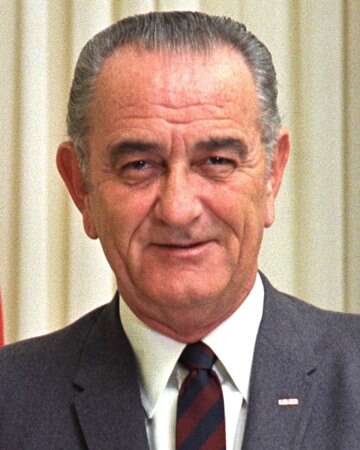
LBJ Declares Commitment to South Vietnam
In 1966, amidst the growing tensions of the Vietnam War, President Lyndon B. Johnson made a pivotal statement regarding U.S. military presence in South Vietnam. His resolve was clear: the United States should remain in South Vietnam until the threat of communist aggression ceased. As fears of communism spreading throughout Southeast Asia grew, Johnson believed that U.S. involvement was essential to preserve the freedom of the South Vietnamese people and prevent a domino effect that might extend communist influence across the region.
Lyndon B. Johnson's Vision
Lyndon B. Johnson, the 36th president of the United States, articulated a vision that was rooted in the concept of containment—the idea that the U.S. must take action to prevent the spread of communism. In Johnson's address, he emphasized that failure to support South Vietnam could lead to dire consequences, not just for Vietnam but for neighboring countries as well. His commitment marked a significant point in U.S. foreign policy, highlighting the lengths to which America was willing to go to fight communism.
Escalation of Military Involvement
Johnson's statement in 1966 came at a time when U.S. military presence in Vietnam was rapidly escalating. The number of American troops in the region surged, reaching over 500,000 by the end of the decade. This marked a shift from earlier support strategies to active military engagement, thus intensifying the conflict. Johnson faced mounting pressure from both military advisors and political leaders who believed that a strong U.S. stance was imperative to achieve a decisive victory against the North Vietnamese and the Viet Cong.
Consequences of LBJ's Commitment
Johnson's promise to stay in Vietnam had far-reaching consequences for the United States and the world. The policy entrenched American military involvement and sparked widespread protests at home, as many Americans began to question the justification of the war. The call to remain in Vietnam would become a point of contention that polarized public opinion and set the stage for future political debates.
Public Reaction to the Vietnam Commitment
As Johnson assured the nation of U.S. commitment to Vietnam, widespread protests began to emerge, reflecting growing disillusionment with the war. Many young Americans and activists opposed the conflict vehemently, believing it to be a costly and unjust endeavor. This led to a significant anti-war movement that would gain momentum through the coming years, affecting public perception and government policy.
Legacy of U.S. Involvement in Vietnam
Johnson's decision to maintain U.S. forces in Vietnam has been analyzed and debated by historians and political analysts over the decades. While some argue it was necessary to counter communist threats, others contend it only prolonged the conflict and deepened American involvement in a war that many viewed as unwinnable. The ramifications of this commitment still resonate today as scholars examine the impact of the Vietnam War on U.S. foreign policy.
Fun Fact
Lyndon B. Johnson’s Unusual Methods
President Johnson had a reputation for using unconventional methods to assert his views, including the infamous "Johnson treatment," where he would leverage his physicality and charisma to persuade others. This often included standing uncomfortably close to make his point, reflecting his assertive style of leadership.
Additional Resources
Recommended Reading on Lyndon B. Johnson and Vietnam
For those interested in delving deeper into this pivotal chapter in American history, consider reading "LBJ: The Mastermind of the American Presidency" by Robert A. Caro or "Vietnam: A History" by Stanley Karnow. Both texts provide rich insights into Johnson's policies and the complexities of the Vietnam War.










 Continue with Google