


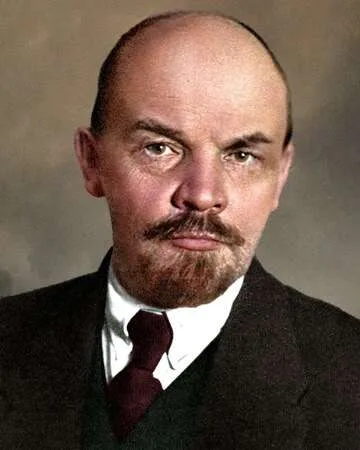
The Significance of Lenin's Testament
In 1956, a pivotal document in Soviet history emerged from the shadows of the past: Lenin's Testament, originally written in 1923 but not published until decades later. This document provided profound insights into the vision of Vladimir Lenin, the leader of the Russian Revolution, regarding the direction of the Soviet Union and the leadership dynamics within the Communist Party.
What is Lenin's Testament?
Lenin's Testament is a collection of writings where Lenin expressed his thoughts on the future of the Soviet state and the leadership in the aftermath of his declining health. Writing to warn about the dangers of authoritarianism and factionalism, Lenin emphasized the need for collective leadership rather than the dominance of a single leader.
Key Concerns Addressed by Lenin
In the testament, Lenin sharply critiqued the potential rise of individuals within the party, particularly targeting figures such as Joseph Stalin, to whom he referred as too power-hungry. He foresaw the possibility of a bureaucratic degeneration of the party and cautioned that the revolution’s core values might be undermined by an authoritarian regime.
The Impact of Lenin's Testament Post-Publication
Published in 1956, Lenin's Testament sparked intense debate within the Communist Party of the Soviet Union. Its release came at a time of growing discontent with the leadership under Stalin, after years of oppression and purges. The testament was seen as prophetic by many, highlighting issues that had plagued the party and Soviet society.
The Relevance of Lenin's Thoughts in 1956
As Stalin's death in 1953 left a power vacuum, Lenin's warnings about the concentration of power found renewed attention. Party leaders were faced with the challenge of reconciling Lenin’s ideals with the realities of their governance, ultimately leading to periods of reform and attempts to distance from Stalinist policies.
Lenin's Testament and the Rise of Khrushchev
When Nikita Khrushchev rose to power and began his policy of de-Stalinization, he faced the legacy left by Lenin's Testament. Khrushchev sought to implement some of the democratic principles Lenin advocated, showing a clear shift away from Stalin's oppressive tactics while trying to stay true to the original revolutionary spirit.
Fun Fact
A Hidden Gem for Years
Interestingly, Lenin's Testament was largely ignored for many years due to its controversial content, only to be revived during a time of significant political change. The late 1950s was a transformative period that aimed to reinterpret Soviet ideology.
Additional Resources
Recommended Reading on Lenin's Testament
For a deeper understanding of Lenin's political legacy, consider reading "Lenin's Testament" by Alan Woods, which analyzes Lenin's thoughts in detail. Additionally, "The State and Revolution" by Vladimir Lenin provides context to his theories and political ideology.










 Continue with Google