


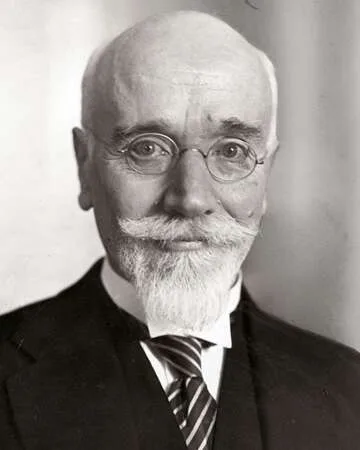
The Civil Strife of Greece: Royalists vs. Liberals
The Rise of Eleftherios Venizelos
In the tumultuous year of 1916, Greece became engulfed in a fierce internal struggle characterized by a divide between the Royalists and the Liberal Party led by Eleftherios Venizelos. A prominent statesman, Venizelos was born in Crete in 1864 and rose to prominence in Greek politics, advocating for progressive reforms and a close alliance with the Allies during World War I.
The Royalist Opposition
Opposing Venizelos was King Constantine I, who favored neutrality and had strong pro-German sentiments. This led to a split within the Greek government, where royalist factions strongly resisted Venizelos’s liberal policies, resulting in a situation akin to a civil war.
The Role of the Allies
Allied Support for Venizelos
The Allies, recognizing Venizelos's alignment with their interests, intervened to support his government. They believed that a Venizelist government would better aid in their military campaigns against the Central Powers. This support became crucial in maintaining the strength of Venizelos's position during a time of chaos.
The Aftermath of the Conflict
The conflict culminated with several battles resulting in a decisive victory for the Venizelists, leading to an eventual establishment of his government. His administration significantly altered the course of Greek politics, aligning more closely with the Allies and leading to Greece’s entry into World War I on the side of the Entente Powers.
Fun Fact
Unique Political Alliance
During the civil strife in 1916, Eleftherios Venizelos managed to rally not only political support but also military resources from the **Allied** forces, a strategic move that effectively highlighted the importance of international alliances in Greek politics at that time.
Additional Resources
Recommended Reading on Eleftherios Venizelos
For those looking to explore more about this pivotal figure in Greek history, consider reading "Eleftherios Venizelos: A Biography" or "The History of Modern Greece". These works provide deeper insights into his life, policies, and the broader context of Greece during this tumultuous period.









 Continue with Google