


The Dramatic Flight of Mary Queen of Scots
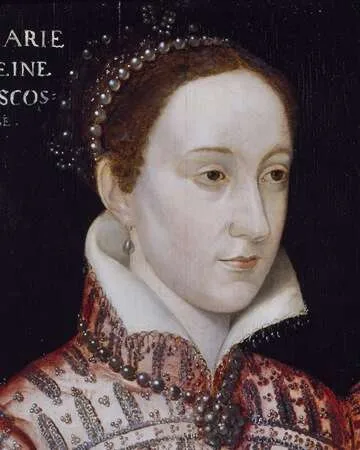
In 1568, Scotland faced one of its most turbulent times as Mary Queen of Scots, after being defeated at the Battle of Langside, fled to England in search of assistance and refuge. This moment marked a significant pivot in Scottish and English history, as the repercussions of her flight affected both kingdoms. Mary had lost her crown to the Protestant faction, led by her cousin, whom she believed would support her claim to the Scottish throne. However, this was the beginning of a long series of events that would lead to her imprisonment rather than support.
Mary’s Hope for Refuge
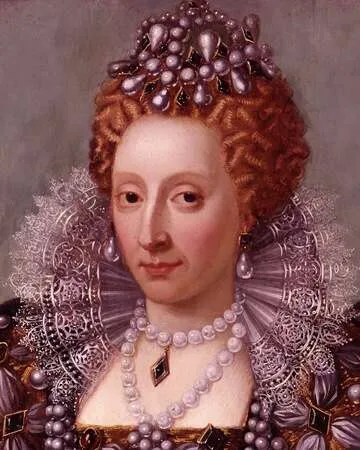
After her defeat at Langside, Mary sought sanctuary across the border in England, viewing Queen Elizabeth I as a potential ally. Mary arrived in England believing that Elizabeth, a distant cousin and fellow queen, would help her regain her rightful place on the Scottish throne. Her landing at Workington on May 16, 1568, was filled with hope; yet, it would soon turn into a tragic twist of fate as Elizabeth's response was far from what Mary expected.
The Implications of Mary’s Arrival
Mary's arrival in England was not merely a personal request for protection but a significant political move that would unravel ambitions and fears across both nations. Elizabeth I, a Protestant, viewed Mary’s presence as a substantial threat due to her strong Catholic claim to the English throne. Thus, instead of receiving the assistance she longed for, Mary was imprisoned in Carlisle Castle under Elizabeth’s orders, leading to an effective house arrest that lasted for nearly 19 years.
The Consequences of Mary’s Imprisonment
The detention of Mary Queen of Scots had far-reaching consequences that shaped not only her life but also the political landscape of both England and Scotland. Mary's claim to the throne remained a contentious point among Catholics, who viewed her as the legitimate queen, stirring unrest and conspiracies throughout her time in captivity.
The Political and Religious Turmoil
Mary's imprisonment intensified the political and religious strife between Catholics and Protestants in England. Many conspirators saw her as a figurehead for Catholic rebellion, which eventually led to plots such as the Babington Plot aimed at assassinating Elizabeth and placing Mary on the throne. This would ultimately lead to Mary's trial and execution, further complicating the Protestant Reformation in England.
Mary’s Legacy
Despite the tragic unfolding of her story, Mary Queen of Scots remains a pivotal figure in history. Her life, marked by ambition and political intrigue, continues to resonate through time. Her attempt to regain her throne and the ultimate consequence of her long imprisonment illustrate the complexities of power, religion, and female leadership in a male-dominated society.
Fun Fact
Mary Queen of Scots and Her Famous Cousin
Did you know that Mary Queen of Scots was first cousin to Elizabeth I? Their shared lineage made the political tension between their reigns even more fraught as both were legitimate heirs to the English throne. This complicated family connection underscored the intense rivalry and conflict that characterized their relationship.
Additional Resources
Recommended Reading on Mary Queen of Scots
To delve deeper into the life of Mary Queen of Scots, consider exploring "Mary Queen of Scots: The True Life of Mary Stuart" by Timothy D. McGowan and "The Life of Mary Stuart" by Alison Weir. These works provide a comprehensive view of her struggles and the intricate politics of her time.








 Continue with Google