


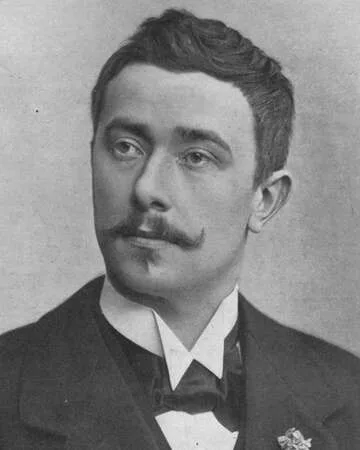
Brief Overview of Maurice Maeterlinck
Maurice Maeterlinck - A Renowned Belgian Playwright
Maurice Maeterlinck, born in Belgium in 1862, was a pivotal figure in modern literature, particularly recognized for his contributions to symbolist drama. His profound works delve into profound themes concerning existence, nature, and the human experience, resonating with audiences worldwide.
Maeterlinck’s Literary Style and Influences
Known for his unique blend of poetic language and deep philosophical insights, Maeterlinck’s style often immerses readers in the depths of human emotion and the mysteries of life. His approach has influenced countless writers and dramatists in subsequent generations, establishing a lasting legacy.
The Nobel Prize Award in 1911
Significance of the 1911 Nobel Prize for Literature
In 1911, Maeterlinck was awarded the Nobel Prize in Literature for his exceptional literary accomplishments. Notably, he was presented this prestigious award in absentia, highlighting his international stature even amidst his absence from the ceremonies.
Works That Earned Maeterlinck the Nobel Prize
His most acclaimed works, such as The Blue Bird and Pelléas and Mélisande, were instrumental in securing this honor. These pieces not only showcase his mastery of storytelling and symbolism but also his ability to explore the human condition with remarkable sensitivity.
Fun Fact
Maurice Maeterlinck’s Interesting Contribution
Besides his dramatic works, Maeterlinck was also a fervent advocate for the environment, demonstrating his belief in the interconnectedness of all living beings through his writings on nature.
Additional Resources
Recommended Reading on Maurice Maeterlinck
For those eager to deepen their understanding of Maeterlinck’s influence in literature, consider reading The Blue Bird and his essays compiled in The Life of the Bee. These works exemplify his literary genius and philosophical depth.












 Continue with Google