


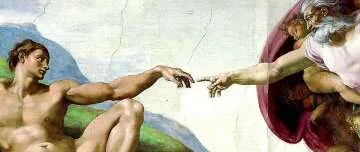
The Ambitious Undertaking of Michelangelo
In the year 1503, the renowned Italian sculptor Michelangelo Buonarroti embarked on a monumental project—the creation of the 12 Apostles statues for the Cathedral of Florence. This undertaking showcased Michelangelo's unparalleled skills in carving over-life-sized marble statues that would convey spiritual depth and extraordinary artistry. Though only one statue, that of St. Matthew, was partially completed, the endeavor highlights Michelangelo's ambition and his significant contributions to Renaissance art.
Michelangelo and His Vision for the Apostles
Michelangelo, born in 1475 in Caprese, Italy, was a master of the sculptor's craft, renowned for his ability to breathe life into stone. When commissioned to sculpt the 12 Apostles, he envisioned a series of powerful figures, each representing one of Christ's closest followers, meant to adorn the grand Cathedral of Florence. The goal was not only to beautify the cathedral but to inspire the faithful through these representations of discipleship and devotion.
The Struggles and Triumphs of Sculpting
Despite his initial enthusiasm, several challenges arose during the project. The sheer scale and intricacy of the 12 Apostles project meant that each figure required extensive planning, skill, and time. Michelangelo faced difficulties in sourcing the right marble and managing the labor force, which delayed the completion of the sculptures. Ultimately, the only statue that approached completion was that of St. Matthew, which reflected his intricate style and dedication to achieving perfection.
The Impact of Michelangelo's Apostles on Art
Though the 12 Apostles project remained unfinished, its significance goes beyond the physical statues. Michelangelo's approach to sculpting, particularly his understanding of anatomy and emotion, influenced generations of artists who followed. His works became a benchmark for artistic excellence in the Renaissance and beyond.
Michelangelo's Influence on Renaissance Sculpture
The ambitious project reaffirmed Michelangelo's position as a preeminent figure in art history. Sculptures created by Michelangelo are characterized by their dramatic poses and lifelike appearances, which are evident even in the partially completed St. Matthew, showcasing exquisite details and a commanding presence. Artists began to emulate his creative techniques, bringing a new vigor to the art of sculpture.
The Legacy of the Unfinished Project
Despite the project's incomplete state, the 12 Apostles remain a testament to Michelangelo's artistic genius. They serve as a reminder that not every artistic endeavor culminates in completion, yet the journey contributes significantly to the artist's legacy. Even the unfinished St. Matthew continues to attract visitors and admirers, to appreciate the depth of emotion and craftsmanship that characterize Michelangelo's work.
Fun Fact
Michelangelo’s Fascination with Movement
One particularly interesting fact about Michelangelo is his obsession with capturing movement in his sculptures, which he believed was essential in showcasing the inner life and spirit of the figures. This can be seen even in the St. Matthew statue, where the figure appears ready to spring into action, breathing life into the cold marble.
Additional Resources
Recommended Reading on Michelangelo
For more in-depth exploration of Michelangelo's work, consider reading The Agony and the Ecstasy by Irving Stone, which vividly narrates the life of this great artist, or Michelangelo: A Life in Six Masterpieces by Martin Gayford, which dives into key points of his illustrious career.












 Continue with Google