


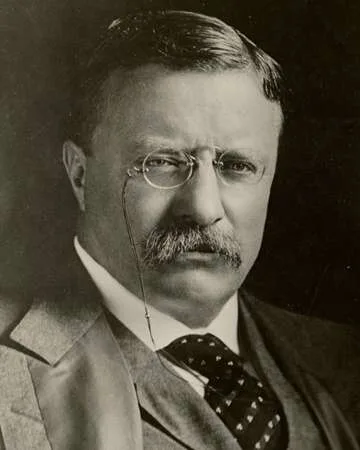
The Monroe Doctrine: A Historical Overview
Understanding the Monroe Doctrine
The Monroe Doctrine, articulated in 1823 by President James Monroe, was a pivotal policy statement asserting that any European intervention in the Americas would be viewed as an act of aggression, warranting U.S. intervention. This foundational principle was pivotal in shaping U.S. foreign policy in the Western Hemisphere.
The Context of the Monroe Doctrine
Initially motivated by a desire to protect the newly independent nations of Latin America from European colonization, the Monroe Doctrine evolved over time to reflect the shifting dynamics of power in the Americas. It served as a warning to European nations to respect the sovereignty of nations on the continent.
The Roosevelt Corollary: An Expansion of the Doctrine
Theodore Roosevelt’s Confirmation of the Monroe Doctrine
By 1904, under President Theodore Roosevelt, the Monroe Doctrine was dramatically expanded through what is known as the Roosevelt Corollary. Roosevelt believed that the United States had the responsibility to intervene in Latin American countries to maintain stability and order, especially when European powers were involved. This marked a turning point in U.S. foreign policy.
Impact and Significance of the Roosevelt Corollary
The Roosevelt Corollary justified U.S. intervention across the Caribbean and Central America, asserting the United States' role as an international police power. This not only altered how the U.S. interacted with its southern neighbors but also set the stage for future interventions and a significant expansion of American influence in the region.
Fun Fact
Theodore Roosevelt: The Rough Rider
Did you know that Theodore Roosevelt was also a Rough Rider during the Spanish-American War? His leadership in the cavalry charge at San Juan Hill made him a national hero and helped promote his political career, eventually leading him to the presidency where he expanded American foreign policy significantly.
Additional Resources
Recommended Reading on Theodore Roosevelt
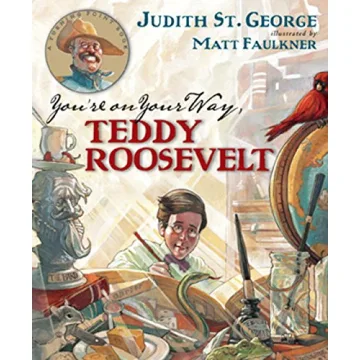
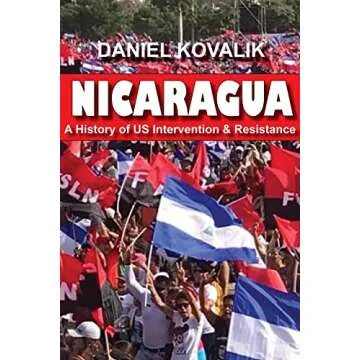
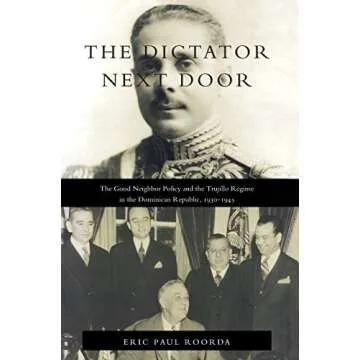
For those interested in learning more about this influential period in American history, consider reading The Rise of Theodore Roosevelt by Edmund Morris and TR: The Last Romantic by H.W. Brands. These books provide deeper insights into Roosevelt's life and the implications of his policies.







 Continue with Google