


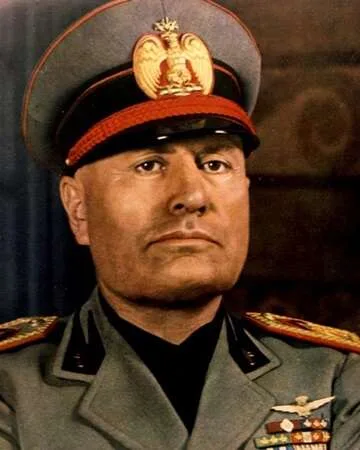
The Moment of Alliance: Mussolini Approaches the Vatican
In 1922, a pivotal moment occurred in the context of Italian politics when Benito Mussolini sought the support of the Vatican for his ambitious fascist party program. At a time when Italy was navigating the complexities of post-World War I turmoil, Mussolini recognized the influential position of the Catholic Church. His intention was clear: to gain legitimacy from the Vatican to bolster his rising political power.
The Fascist Appeal to Catholicism
By appealing to Catholicism, Mussolini aimed to intertwine his ideology with the values of the majority population in Italy. He promised to respect the Church’s influence and to uphold traditional values, positioning himself as a defender of the Italian state against communism and liberalism. This alignment was crucial for Mussolini, as he sought to unify the nation under his leadership.
Impact of the Vatican's Support
The Vatican's response was not immediate, but the initial discussions set the stage for future collaborations. With the Church's backing, Mussolini could reinforce his image as a legitimate leader, thereby diminishing opposition from both political adversaries and factions within Italian society. This support ultimately helped Mussolini consolidate power in the years that followed.
Consequences of the Alliance
The relationship between Mussolini and the Vatican was one of mutual benefit, ultimately leading to the signing of the Lateran Treaty in 1929, which recognized the independence of Vatican City. This treaty cemented Mussolini's power, allowing him to portray his regime as one that safeguarded the interests of Italy’s predominantly Catholic population.
The Lateran Treaty and Its Significance
Signed by Mussolini and Pope Pius XI, the Lateran Treaty was crucial in defining the Church's role in Italian politics. It not only established the Vatican as a sovereign entity but also enhanced Mussolini's credibility. This treaty established a framework for the Church’s relationship with the fascist government, solidifying the ideological underpinnings of Mussolini's rule.
Shifts in Political Landscape
Mussolini’s outreach to the Vatican exemplified a significant shift in the political landscape of Italy, where religious authority began to intermingle with state power. The alliance played a role in shaping policies that intertwined both religion and fascism, influencing the trajectory of Italy’s direction during Mussolini’s rule.
Fun Fact
Mussolini and His Fascist Regime's Religious Reforms
Interestingly, Mussolini’s regime implemented reforms that affected the Church’s role in public education and social services, showcasing his complex relationship with Italy’s religious institutions. This maneuver highlighted his approach of balancing authoritarian control while courting religious approval.
Additional Resources
Recommended Reading on Mussolini
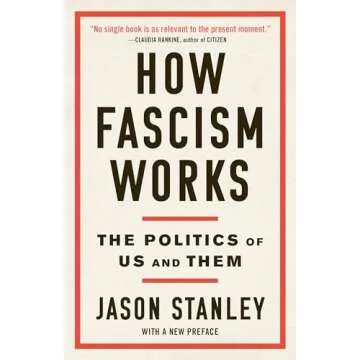
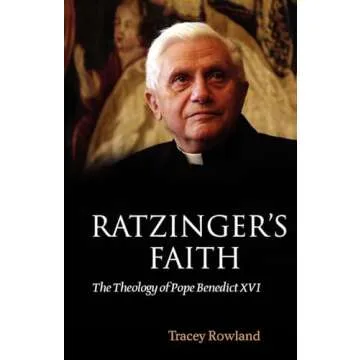
For those interested in exploring this subject further, books like Mussolini: A Biography by Mark O'Shea and Mussolini: The Last 600 Days of Il Duce by Michael M. Mrachek provide intriguing insights into Mussolini's political maneuvers and the intricacies of his relationship with the Vatican.




 Continue with Google