


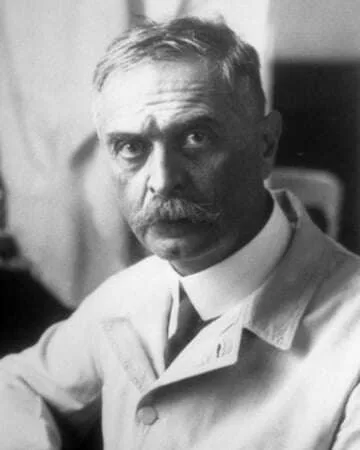
The Landmark Achievement of Karl Landsteiner
Karl Landsteiner and His Path to the Nobel Prize
Karl Landsteiner, an Austrian-American biologist and physician, made a revolutionary discovery in the field of medicine that forever changed the way we understand human physiology. In 1930, he was awarded the Nobel Prize in Physiology or Medicine for his pioneering work on human blood groups, a foundational aspect of transfusion medicine.
Understanding Human Blood Groups Through Karl Landsteiner
In his groundbreaking research, Landsteiner identified the different blood types which include A, B, AB, and O. This discovery was crucial, as it laid the groundwork for safe blood transfusions. Prior to his work, transfusions often led to severe reactions and fatalities due to incompatible blood types. His meticulous experiments allowed medical professionals to understand blood compatibility better, saving countless lives.
The Impact of Karl Landsteiner's Discovery
A Transformative Influence on Medicine
The significance of Landsteiner’s work cannot be overstated. His identification of blood groups not only improved transfusion practices but also paved the way for developing blood typing techniques used today. The impact of this discovery on modern medicine is profound, allowing for advancements in surgical procedures, trauma care, and even organ transplantation.
Legacy of Karl Landsteiner in Hematology
Landsteiner's influence extends beyond blood types. His rigorous scientific method and dedication to understanding human biology fostered an environment of inquiry that led to further research in hematology and immunology. He is remembered not just for his Nobel Prize but also for inspiring future generations of researchers and clinicians.
Fun Fact
Karl Landsteiner's Interesting Fact
In addition to his Nobel Prize-winning work, Karl Landsteiner was known for discovering the Rhesus factor, contributing further to our understanding of blood and its compatibility in transfusions, which remains critical in medical science today.
Additional Resources
Recommended Reading on Karl Landsteiner
For anyone interested in learning more about Landsteiner’s remarkable life and work, consider reading “A Brief History of Blood” or the biography “The Nobel Prize: A History of Genius, Controversy, and Prestige”. These books delve into his contributions and the historical context of his discoveries.









 Continue with Google