


Overview of the 2014 Ebola Outbreak
The 2014 Ebola outbreak, primarily affecting West Africa, was a significant public health crisis that alarmed the global community. The virus, which causes severe illness and has a high mortality rate, spread rapidly in countries like Guinea, Liberia, and Sierra Leone, resulting in thousands of infections and deaths. The urgency of the situation demanded immediate action from both local governments and international bodies.
The Emergence of Ebola
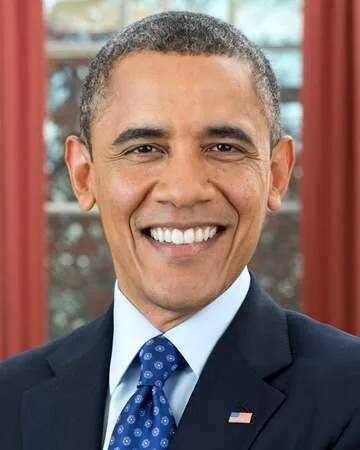
Ebola was first identified in 1976, but the scale of the 2014 outbreak highlighted the virulence of the virus. By the time President Obama announced his military intervention, the number of cases had skyrocketed, and the healthcare systems in the affected countries were overwhelmed. There was an overwhelming call for assistance in efforts to contain the virus.
US Response and Military Action
On September 16, 2014, President Obama revealed plans to dispatch 3,000 troops to assist in combatting the Ebola outbreak. This decision was primarily aimed at providing logistical support, building treatment facilities, and training healthcare workers in the afflicted regions. The deployment of troops marked a significant escalation in the U.S. response to health crises overseas.
Impacts of Military Involvement
The U.S. military's involvement was crucial in addressing the humanitarian crisis caused by the Ebola virus. While many healthcare workers were already on the ground, the introduction of military resources helped to provide structured and efficient support to existing efforts.
Building Treatment Facilities
One of the primary roles of the U.S. troops was to build Ebola treatment centers to care for the infected. These facilities offered necessary medical attention to individuals and helped to curb the spread of the virus by isolating those infected from the community.
Training Healthcare Workers
The U.S. troops also focused on training local healthcare professionals on proper Ebola care and containment protocols. This capacity-building effort aimed to empower local healthcare systems, making them better prepared for not only current but also future outbreaks.
Recognizing the Global Cooperation
The Ebola crisis prompted a high level of international cooperation, with various countries and organizations contributing resources and expertise to combat the outbreak. The U.S. military's involvement was a key part of a larger global response.
International Aid and Support
Many nations recognized the severity of the Ebola outbreak and worked collaboratively with organizations like the World Health Organization (WHO) and Médecins Sans Frontières (Doctors Without Borders) to mobilize resources. The collaborative efforts helped improve access to care during a critical time.
Impact on Future Health Crises
The 2014 outbreak served as a learning experience for the global health community. The lessons learned from the response paved the way for improved frameworks for dealing with future health emergencies, emphasizing the importance of rapid response, international collaboration, and effective communication.
Fun Fact
Obama's Commitment to Global Health
President Obama’s decision to send troops to combat Ebola was part of a broader agenda focused on global health initiatives, emphasizing the importance of acting swiftly to prevent diseases from spreading beyond borders and becoming global threats.
Additional Resources
Recommended Reading on Ebola and Global Health
For those interested in further exploring this topic, consider reading "The Hot Zone" by Richard Preston or "Ebola: Story of an Outbreak" by the National Geographic team to gain more insight into the history and impact of the Ebola virus.











 Continue with Google