


Introduction to Operation Cartwheel
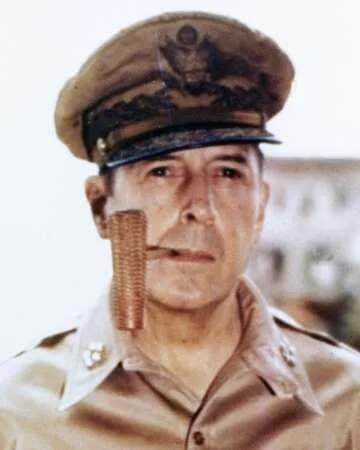
In mid-1943, World War II was entering a critical phase in the Pacific Theater. The Allied forces, led by General Douglas MacArthur, launched a strategic operation known as Operation Cartwheel. This formidable campaign was designed to dismantle the Japanese stronghold located at Rabaul, which was crucial for Japan's defense in the Pacific. By implementing an innovative island-hopping strategy, the Allies aimed to capture key islands, thereby circumventing heavily fortified positions and saving time and resources.
General MacArthur's Role in Operation Cartwheel
General Douglas MacArthur was a pivotal figure during Operation Cartwheel. His leadership and vision were instrumental in orchestrating a series of amphibious assaults on strategically important islands. By focusing on capturing islands that could be used as bases for further operations, MacArthur hoped to isolate Rabaul and cut off its supply lines, effectively diminishing Japanese power in the region.
The Strategy Behind Island-Hopping
The island-hopping strategy involved selecting islands that offered the greatest strategic value and bypassing less critical locations. For instance, the Allies captured islands such as New Britain and New Guinea during the operation, which served as launching pads for future attacks. This approach allowed the Allies to save manpower and resources while maintaining momentum in their push towards Rabaul.
Key Operations and Battles during Cartwheel
Operation Cartwheel was marked by numerous battles that highlighted the determination and bravery of Allied forces. Operations on islands like Woodlark and Kiriwina demonstrated the efficacy of the associated tactics. Each victory advanced the Allies closer to the ultimate goal of neutralizing Rabaul.
Significant Battles in the Campaign
One of the major battles during this operation was the Battle of Vella Lavella, where Allied forces worked to wrest control from Japanese troops. It was a turning point that significantly weakened Japanese naval strength in the region, showcasing the effectiveness of the combined Allied tactics.
The Impact on Japanese Forces
With each successful operation, the Japanese found their positions increasingly compromised. Operation Cartwheel successfully isolated Rabaul, making it difficult for Japanese forces to launch counteroffensives. This campaign not only escalated the conflict but also sowed the seeds for subsequent engagements leading up to Japan's eventual defeat.
Legacy of Operation Cartwheel
The enduring legacy of Operation Cartwheel extends beyond the immediate military tactics employed. It showcased the effectiveness of collaboration among different Allied forces, including Australians and Americans, and set a precedent for future military operations in the Pacific.
Strategic Innovations Introduced
Innovation was at the heart of Operation Cartwheel, leading to the development of new amphibious assault techniques and logistics for warfare in island environments. This evolved general military strategy not only proved useful during WWII but has influenced modern military tactics in similar terrains.
The Human Cost of Cartwheel
While the operation was a strategic success, it came at a significant human cost. Many soldiers from both Allied and Japanese forces lost their lives. The bravery displayed on both sides underscores the harsh realities of warfare, with lasting impacts on soldiers and families affected by the conflict.
Fun Fact
Operation Cartwheel’s Interesting Fact
Despite its ambitious goals, Operation Cartwheel was not initially met with unanimous support among military leaders. There were debates over resource allocation and strategy, especially concerning the risks involved in bypassing heavily fortified islands. However, MacArthur’s confidence ultimately prevailed and shaped the course of the Pacific War.
Additional Resources
Recommended Reading on Operation Cartwheel
For those interested in digging deeper into the intricacies of Operation Cartwheel, consider reading “The Pacific War: 1941-1945” by John Costello or “MacArthur’s War: Korea and the Undoing of an American Hero” by David Halberstam. These works provide insightful perspectives on MacArthur's strategies and the broader context of the Pacific Theatre.




 Continue with Google