


The Overview of Operation Hannibal
Operation Hannibal was one of the largest maritime evacuations in history, undertaken during the climactic final days of World War II. Initiated on January 29, 1945, by the German naval leader Karl Dönitz, this operation was primarily concerned with evacuating German soldiers and civilians from East Prussia as the Soviet Army advanced into German territory. The tremendous scale of this operation involved numerous ships and countless lives, showcasing the desperate measures taken by Germany as it faced impending defeat.
The operation aimed to transport as many people as possible from ports like Danzig (now Gdańsk, Poland) and Pillau (now Baltiysk, Russia), as the Red Army continued its relentless push into German-held areas. In a matter of weeks, hundreds of thousands of people would embark on perilous journeys across the Baltic Sea, hoping to reach the safety of Western Germany.
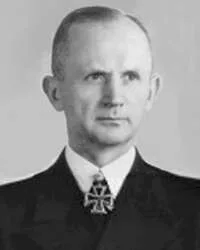
Karl Dönitz and His Role in Operation Hannibal
Karl Dönitz was an important figure in Nazi Germany and served as the commander of the Kriegsmarine (the German Navy). Appointed by Adolf Hitler in the final days of the war, he found himself faced with the daunting task of orchestrating the evacuation of millions. Dönitz believed that organizing an effective maritime escape could save countless soldiers and civilians from Soviet captivity, which was often brutal and unforgiving.
The Desperate Emigrations
The operation saw a massive mobilization of the German Navy, but it was not without challenges. Allied air superiority and the presence of Soviet submarines complicated the mission. Nevertheless, despite the risks, ships, including military vessels, merchant ships, and even fishing boats, set sail to rescue those trapped in the encroaching conflict.
The Impact and Aftermath of Operation Hannibal
In its wake, Operation Hannibal had significant consequences for both the German military and civilians left behind. The operation reportedly evacuated over 2 million people, including soldiers and their family members, but thousands were lost at sea due to attacks and harsh weather conditions during the evacuation. The tragic loss of life underscores the desperation of the situation and the lengths people would go to seek safety.
The Reflection on German Identity
The aftermath of the operation led to complicated narratives within Germany. While Operation Hannibal has often been remembered through the lens of the suffering experienced by German civilians, it also highlighted a nation grappling with the consequences of its own military actions during the war. Those who escaped the clutches of the advancing Soviet troops returned to a fractured Germany, forever changed by the wartime experience.
The Legacy of Operation Hannibal
Even years later, the memory of Operation Hannibal remains a poignant chapter in German history, illustrating the human cost of war and the lengths to which individuals and nations will go to secure their survival. It stands as a testament to the harrowing challenges faced by individuals when nationalistic tides ebb and flow, and as a reminder of the complexities of historical memory.
Fun Fact
The Evacuation of a Nation
During Operation Hannibal, one of the notable ships involved was the MV Wilhelm Gustloff, which tragically sank after a torpedo strike, leading to one of the worst maritime disasters in history with an estimated loss of over 9,000 lives.
Additional Resources
Recommended Reading on Operation Hannibal
For those interested in diving deeper into this historical event, consider reading "The Wilhelm Gustloff: A Story of the Sinking of the World's Largest Ship" and "Hannibal: A History of the Evacuation of East Prussia 1945" for comprehensive insights on the operation and its implications.












 Continue with Google