


Introduction to Otto I the Great
Otto I, known as Otto the Great, was a prominent figure in the early Holy Roman Empire. Born in 912, he reigned as King of Germany from 936 and was crowned Emperor in 962. His reign marked a significant period of consolidation of power within Germany and was pivotal for the establishment of the medieval church's influence. In 949, he made a notable political move by granting the bishopric of Utrecht the rights known as foreestrecht.
Significance of the Bishopric of Utrecht
The bishopric of Utrecht holds great historical significance as it was the spiritual and political center of the Netherlands during the middle ages. By granting foreestrecht, which translated means 'forest rights', Otto I strengthened the power of the church and reinforced the connection between the church and state during a time of political fragmentation.
Otto I’s Role in Ecclesiastical Politics
Otto I's decision to endow the bishopric of Utrecht with foreestrecht was part of a larger strategy to secure loyalty and support from religious leaders. This action helped to ensure the stability and influence of his reign as the emperor, controlling both secular and spiritual matters, and establishing a precedent for future rulers to follow.
Effects of the Foreestrecht Grant
The implications of granting the foreestrecht to the bishopric of Utrecht were far-reaching. It allowed the bishopric to manage its own forests and to leverage resources for greater economic stability.
Economic Benefits to the Bishopric
By receiving these rights, the bishops gained the autonomy to exploit forest resources, which brought significant economic benefits. The management of forests included hunting and timber, vital for both the local economy and the bishopric’s wealth, allowing it to play a more substantial role in European politics.
Strengthening of the Church’s Power
The grant of foreestrecht was a masterstroke in strengthening the church's authority. This concession not only fortified the bishopric's local power but also solidified the church's influence across territories governed by Otto I, allowing it to assert independence from nobility.
Fun Fact
Otto I’s Interesting Legacy
Otto I is remembered not just for his political acumen but also for the deep impact he had on the formation of the Holy Roman Empire, elevating it to a position of prominence in European affairs.
Additional Resources
Recommended Reading on Otto I the Great
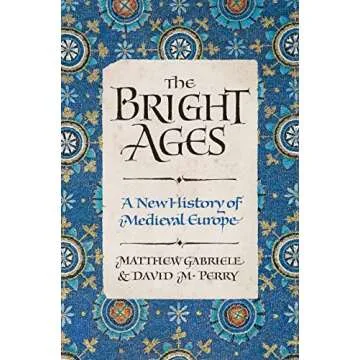
For those looking to explore more about Otto I and his reign, consider reading The Holy Roman Empire: A Short History by Barbara Stollberg-Rilinger, which delves into the intricacies of medieval governance and Otto's significant role.




 Continue with Google