


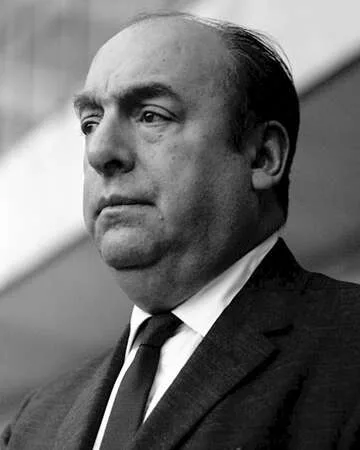
The Arrest of Pablo Neruda: Political Turmoil in 1957
In the heart of Buenos Aires in 1957, the world witnessed a pivotal moment in the life of the acclaimed Chilean poet Pablo Neruda. Arrested during a time of political unrest in Latin America, Neruda's detainment highlighted the escalating tensions that artists and intellectuals faced amid government crackdowns on dissent. This incident not only marked a significant episode in Neruda's life but also shed light on the critical issues of freedom and censorship prevailing in the region during that era.
Pablo Neruda's Political Engagement
Neruda was not just a poet; he was deeply involved in the political landscape of his time. An ardent supporter of socialism, he used his literary prowess to advocate for social change and speak out against oppressive regimes. His arrest in Buenos Aires was a result of being active in Chile's Communist Party, which made him a target for government scrutiny. This episode underscored the perilous position of artists who dared to challenge the status quo.
The Circumstances Surrounding the Arrest
The arrest occurred during a crackdown on leftist movements by the Argentine government. Officials were vigilant against any signs of dissent, and Neruda’s renown as an influential figure in socialist circles raised alarms. While he was arrested, the authorities soon recognized the backlash that could ensue from detaining such a celebrated literary figure, leading to his quick release. However, the incident left an indelible mark on Neruda, intensifying his resolve to fight for justice through his writings.
The Impact of Neruda's Arrest
Despite the brief nature of his detention, the ramifications of Neruda's arrest were profound. It served to unify voices against oppression and censorship in Argentina and beyond, galvanizing support for freedom of expression.
Pablo Neruda's Resilience in Literature
Neruda’s experiences of arrest and political strife influenced his subsequent works. He continued to voice the struggles of the marginalized in his poetry, drawing upon his own experiences of fear and oppression. His collections resonate with themes of resistance and love for his homeland, solidifying his legacy as a poet not just of passion but of political consciousness.
Legacy of the 1957 Arrest
The arrest did not deter Neruda; rather, it enriched his literary voice. He later won the Nobel Prize in Literature in 1971, and his works remain a testament to the fight against tyranny and for human rights. This incident is remembered as a critical moment in literary history, showcasing how personal experiences can profoundly shape art.
Fun Fact
Pablo Neruda’s Interesting Fact
Pablo Neruda was known for his ardent love of nature and the sea. After the horrors he witnessed, he often wrote about the beauty and resilience of nature in his poetry, symbolizing hope and rebirth despite the challenges faced by humanity.
Additional Resources
Recommended Reading on Pablo Neruda
For those interested in exploring more about Neruda's life and works, I recommend his autobiographical work “I Confess That I Have Lived”, which provides profound insights into his journey as a poet and politician. Additionally, his poetry collection “Twenty Love Poems and a Song of Despair” beautifully captures his romantic, yet politically charged voice.








 Continue with Google