


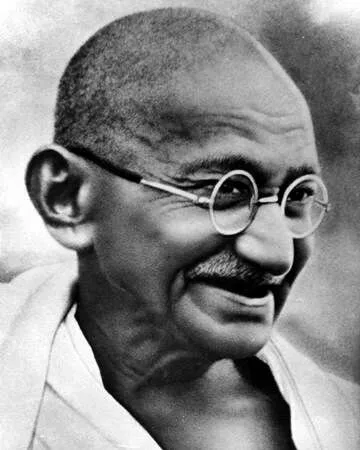
Introduction to Philip Glass's 'Satyagraha'
In 1980, the vibrant city of Rotterdam witnessed a groundbreaking moment in the world of opera with the premiere of Philip Glass's ambitious work, 'Satyagraha'. This opera, co-created with librettist Constance DeJong, is not just an artistic endeavor; it is a profound reflection on the principles laid down by the legendary Indian leader Mahatma Gandhi.
The Concept of Satyagraha
'Satyagraha' translates to "truth force" or "soul force", a term coined by Gandhi during his struggles for civil rights in South Africa and later in India. The opera depicts Gandhi's early life and his development of nonviolent resistance, a philosophy that made a significant impact during the Indian independence movement. Glass's work is characterized by minimalist music, rich harmonic textures, and a compelling narrative that integrates spiritual and political themes.
Musical Innovations in Satyagraha
Philip Glass's composition for 'Satyagraha' is marked by its unique use of repetitive structures and hypnotic melodies, which immerse the audience in the emotional and philosophical layers of the story. The opera's orchestration features a blend of traditional and modern instruments, creating a soundscape that mirrors Gandhi’s quest for peace amidst turmoil.
The Premiere and Its Reception
The premiere at the Schouwburg in Rotterdam was a significant event in the operatic world, as it introduced audiences to a new way of storytelling through music. Critics and spectators were intrigued by Glass's approach, which merged historical narrative with avant-garde musical techniques.
Audience Reaction to the Performance
At the premiere, the audience was captivated by the combination of visual elements and the evocative score. The minimalist stage design and the dynamic performances helped convey the opera's deeper meanings, allowing viewers to connect with Gandhi's philosophies on a personal level. Such a unique interpretation of historical events challenged traditional operatic formats and contributed to the modern evolution of opera.
Impact on Contemporary Opera
'Satyagraha' not only set a precedent for future compositions within the genre but also encouraged a larger dialogue about the societal issues addressed through opera. The work's emphasis on themes like peace, resistance, and justice continues to resonate in today’s cultural landscape, inspiring art and activism alike.
Fun Fact
Unusual Auditory Elements of Satyagraha
Did you know that Glass incorporated the Sanskrit text of the Bhagavad Gita into 'Satyagraha'? This choice reflects Gandhi's own spiritual beliefs and adds a unique layer to the opera, infusing it with a sense of reverence and depth.
Additional Resources
Recommended Reading on Philip Glass and Satyagraha
If you're interested in diving deeper into this revolutionary opera, consider reading “Philip Glass: A Biography” by Robert W. Morrow and “Making of Satyagraha” by Penny Woolcock. These texts provide further insights into the creative process and historical context surrounding this monumental work.








 Continue with Google