


Pussy Riot: A Brief Overview
Pussy Riot is a feminist protest punk rock group based in Moscow, formed in August 2011. The band gained international notoriety for their provocative performances and political activism, which directly challenged the authority of the Russian government, particularly under President Vladimir Putin. In 2012, the group's members staged an unauthorized performance in Moscow's Cathedral of Christ the Savior, leading to their arrest and a trial that sparked global outcry.
The Arrest of Pussy Riot
In March 2012, members of Pussy Riot were arrested for performing what they called a "punk prayer" in the cathedral, which was perceived as a direct affront to the Orthodox Church's support for Putin's regime. The trial of Pussy Riot drew harsh criticism from around the world, with many viewing the proceedings as politically motivated and an example of the growing repression of dissent in Russia.
Pussy Riot's Message of Resistance
The band's performances encapsulated a broader message of feminism and political resistance. They used art to challenge the pervasive state control of public life, resonating with many who were frustrated by the lack of freedom in Russia. Their bold acts of defiance have inspired countless others to speak out against injustices.
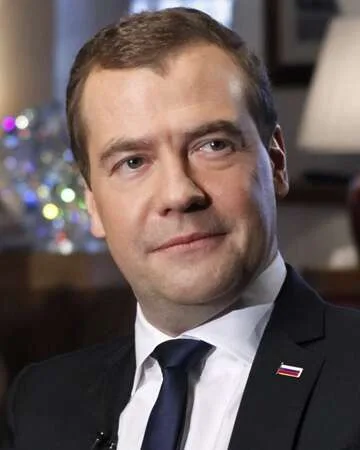
Call for Freedom by Dmitry Medvedev
In a surprising twist during this heightened tension, then-Russian Prime Minister Dmitry Medvedev called for the release of Pussy Riot members. His statement was interpreted as an acknowledgment of the excessive nature of the initial penalties and the need for a more lenient judiciary approach. This unusual support from a high-ranking official highlighted the complex political landscape in Russia.
The Political Implications of Medvedev's Statement
Medvedev's call for freedom had major implications, shedding light on fissures within the Russian government. It suggested a potential rift between more progressive elements within the leadership and hardliners. His comments also indicated the growing pressure on the Kremlin from international advocacy and local protests demanding justice.
Global Response to Medvedev's Appeal
The world reacted enthusiastically to Medvedev's appeal, with many viewing it as a sign of potential reform within Russia's political system. As international attention on the case grew, pressure mounted on the government to reconsider its stance on artistic expression and dissent.
Fun Fact
Pussy Riot's Creative Protests
Pussy Riot is known for their colorful balaclavas and spontaneous performances in public spaces, a form of protest that symbolizes the defiance of censorship and the empowerment of marginalized voices in Russia.
Additional Resources
Recommended Reading on Pussy Riot
For those seeking deeper knowledge of Pussy Riot, "Pussy Riot: A Punk Prayer for Freedom" offers insights into their activism. Another notable read is "The Pussy Riot Public Relations Machine: How a Russian Punk Band Defined a New Era of Activism", exploring their impact on modern protest movements.












 Continue with Google