


The Political Climate in Northern Ireland
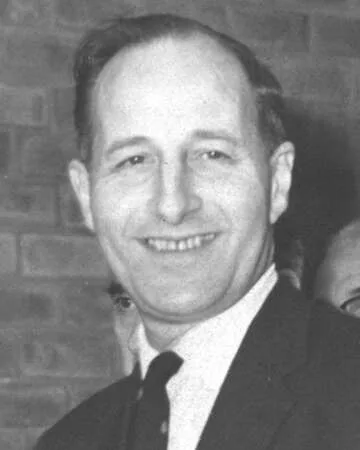
The political situation in Northern Ireland during the late 1960s was marked by increasing tensions and divisions between communities. As the conflict between nationalists and unionists escalated, the government struggled to maintain stability and address the growing calls for civil rights. In this tumultuous environment, Deputy Prime Minister Brian Faulkner made a significant stand that would have repercussions for the future political landscape.
Brian Faulkner's Role
Brian Faulkner, born in 1921 and serving as the Deputy Prime Minister from 1965, was a prominent unionist politician. As a member of the Ulster Unionist Party, Faulkner was deeply involved in the governance of Northern Ireland. However, his time in office was challenged by internal conflicts within the government and external pressures from civil rights movements.
The Resignation
On March 30, 1969, Faulkner officially resigned from the Northern Ireland cabinet, citing his discontent with Prime Minister Terence O'Neill's approach to governance. Faulkner believed that strong measures were necessary to counteract the civil unrest and that O'Neill's methods were ineffectual. His resignation was not just a personal protest; it reflected a broader disillusionment among unionists regarding the government's inability to address the needs of the community amidst rising tensions.
Aftermath of the Resignation
Faulkner's resignation marked a pivotal moment in Northern Ireland's political history. The vacuum left by his departure contributed to a further deterioration of relations between the Unionists and the Nationalists. It also signaled a shift in the government's approach as more hardline measures were anticipated in response to the escalating violence.
Impact on Governance
The resignation led to an increased demand for change within the Northern Ireland government. Faulkner's perspective on the need for a more rigorous governance framework was echoed by various factions, bringing attention to the mounting pressures faced by O'Neill's administration.
Long-Term Consequences
The events that followed Faulkner's resignation would lay the groundwork for deeper divisions and eventually culminate in increased violence in the years that followed. His departure highlighted the challenges that political leaders faced in trying to navigate a deeply divided society, with consequences that extended far beyond his immediate resignation.
Fun Fact
Brian Faulkner's Interesting Fact
Despite his resignation, Brian Faulkner later played a key role in attempting to negotiate peace agreements in the years following the troubles, affirming his commitment to finding a resolution amidst chaos.
Additional Resources
Recommended Reading on Brian Faulkner
For those interested in exploring this pivotal period, consider reading "The Politics of Northern Ireland: Beyond the Good Friday Agreement" and "Northern Ireland: A History from the Troubles to the Present" for deeper insights into the region's complex political landscape.



 Continue with Google