


The Historic Moment of Citizenship Restoration
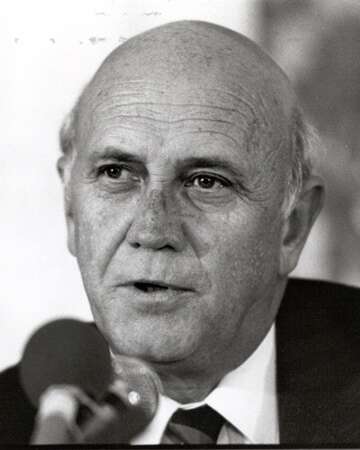
On **December 15, 1993**, a pivotal announcement was made in South Africa's parliament by President **F. W. de Klerk** concerning the restoration of citizenship for over **7 million Black South Africans**. This declaration was a significant stride toward a more inclusive society, coming just four months before the first **non-racial elections** on **April 27, 1994**. For decades, the apartheid regime systematically stripped the Black populace of their basic rights, including the fundamental right to citizenship. This moment marked the beginning of a monumental shift towards democracy and equality in South Africa.
Background on the Apartheid Era
The struggle for citizenship in South Africa cannot be understood without recognizing the brutal system of **apartheid**, which enforced racial segregation and denied fundamental rights to the majority of its citizens. Under apartheid laws, Black South Africans were classified as non-citizens, which excluded them from participating in the political process. The restoration of their citizenship was not just a legal change; it was a recognition of their identity and humanity.
The Role of President F. W. de Klerk
President **F. W. de Klerk** played a crucial role in initiating reforms that led to the end of apartheid. By announcing the restoration of citizenship for Black South Africans, he took a significant leap towards racial reconciliation. His leadership was critical in the transition from a white-minority government to a multi-racial democracy, though not without backlash from hardline apartheid supporters.
A New Era in South African Politics
Following the announcement, the stage was set for South Africa's historic elections in 1994. The restoration of citizenship was a crucial precursor to these elections, giving millions the opportunity to vote for the first time. This was not merely an administrative change; it symbolized a new chapter in the South African narrative, one defined by hope and the pursuit of equality.
Elections of 1994
The **1994 elections** witnessed an unprecedented turnout, with countless Black South Africans exercising their newly restored rights. The event not only transformed the political landscape but also promoted feelings of unity and nation-building among diverse racial groups. Nelson Mandela, leading the African National Congress, became the first Black president of South Africa, embodying the triumph over a long history of oppression.
The Impact of Restored Citizenship
The significance of restoring citizenship cannot be overstated; it laid the groundwork for ongoing efforts to dismantle structural inequality within South Africa. It empowered communities previously marginalized and ignited a sense of belonging and rights among Black citizens.
Fun Fact
Citizenship Restoration's Ripple Effect
The restoration of Black citizenship in South Africa was not only a national victory but also resonated across the globe, inspiring movements advocating for civil rights and social justice in various countries.
Additional Resources
Recommended Reading on South African History
For those interested in exploring this transformative time in detail, consider reading "Long Walk to Freedom" by Nelson Mandela, a gripping account of his life and the fight against apartheid. Another insightful book is "The History of South Africa" by **Roger B. Beck**, which provides a comprehensive overview of the country's complex past.




 Continue with Google