


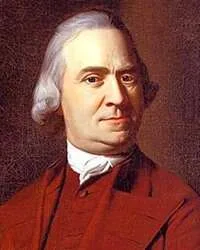
Samuel Adams' Instructions to the Boston Town Meeting
In the year 1764, a pivotal moment in American history unfolded when the influential patriot Samuel Adams penned a significant set of instructions for the Boston Town Meeting. These instructions vehemently opposed the Sugar Act, a British law that imposed taxes on sugar and molasses imported into the colonies. This event marked a critical step in laying the groundwork for colonial resistance against what many colonists perceived as unfair taxation without representation.
Understanding the Sugar Act and Its Impact
The Sugar Act of 1764 was an attempt by the British government to raise revenue from the colonies by taxing imports, specifically targeting sugar and molasses. This act angered many colonists because it not only increased the cost of essential goods but also reinforced the idea that they were being taxed without a seat in the British Parliament. Samuel Adams, recognizing the growing discontent among the colonists, used his platform to rally townspeople against these oppressive measures.
The Role of Samuel Adams in Colonial Politics
Known as a masterful political thinker and agitator, Samuel Adams played an essential role in organizing resistance against British policies. Through his instructions, Adams urged the people of Boston to stand firm against the Sugar Act, emphasizing the need for collective action and unity among the colonies. His articulate writings and speeches helped awaken a revolutionary spirit that would soon ignite the quest for independence.
The Significance of Resistance to Taxation
The opposition to the Sugar Act was just the beginning of a broader movement that questioned the legitimacy of British rule over the American colonies. This early resistance fueled a series of events that would lead to greater acts of rebellion, culminating in the American Revolution. Samuel Adams’ instructions became an emblem of the colonies' desire for self-governance and were instrumental in galvanizing support for the cause of independence.
Samuel Adams' Influence on the Revolutionary Movement
Adams' instructions not only emphasized the injustice of the Sugar Act, but they also articulated a vision for a united front against British oppression. His leadership in the Boston Town Meeting set a precedent for organized resistance, inspiring others to voice opposition to unjust laws and leading to the formation of groups like the Sons of Liberty, known for their active resistance to British taxation.
Catalyzing Change: The Effective Strategy of Adams
Samuel Adams understood the power of communication and public sentiment. By framing the resistance to the Sugar Act as a fight for individual rights and liberties, he effectively mobilized ordinary citizens to engage in political activism. This strategic approach would be crucial in shaping the colonies' response to British legislative acts, leading to increased solidarity among the colonies in their fight for rights.
Fun Fact
Samuel Adams’ Interesting Fact
Despite being a key figure in the American Revolution, many people do not know that Samuel Adams was also a brewer by trade. His background in brewing helped him connect with the common man, making him a relatable figure and effective communicator in revolutionary circles.
Additional Resources
Recommended Reading on Samuel Adams
For those interested in exploring more about Samuel Adams and his significant contributions to American independence, consider reading "Samuel Adams: The Father of American Independence" by Bruce Campbell. Additionally, "The Boston Tea Party: A History from Beginning to End" offers insights into the events that followed Adams’ protests against British taxation.







 Continue with Google