


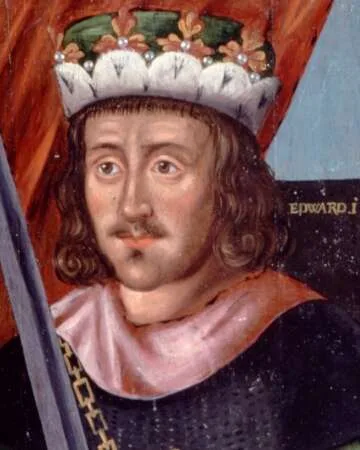
The Historic Recognition of Edward I by Scottish Nobles
In a pivotal moment of Scottish history on March 17, 1291, the Scottish nobles officially recognized the authority of King Edward I of England. This event was not an isolated incident but a significant precursor to the tumultuous relationship between Scotland and England that would unfold over the next century.
The Context of the Nobles’ Recognition
The Scottish throne had become disputed after the death of King Alexander III in 1286, leading to a power vacuum that multiple claimants sought to fill. With the Scottish nobles caught between competing interests, they ultimately decided to appeal to King Edward I, who had positioned himself as a powerful ruler with aspirations to unite the British Isles.
Significance of the Scottish Nobles’ Decision
Understanding the implications of this recognition is crucial. By acknowledging Edward I as their overlord, the Scottish nobles effectively set the stage for the English king's influence over Scotland. This act, however, marked a deep-seated resentment that would eventually fuel Scotland's quest for independence, famously epitomized by figures like William Wallace and Robert the Bruce in the years that followed.
The Backlash and Consequences of Recognition
The recognition of Edward I was met with mixed reactions among the Scots. While some saw it as a practical approach to a difficult political situation, many viewed it as a betrayal of national pride. The subsequent years would see a significant shift in the political landscape as the demands of the English crown grew ever more oppressive.
Immediate Reactions from Scottish Nobility
The immediate aftermath of the recognition saw a faction of the Scottish nobility aligning with Edward’s interests, genuinely hoping to unify Scotland under his protection. However, this came with a growing realization that Edward I was not merely a guardian but an imposing ruler intent on claiming Scotland as his own.
The Road to Scottish Independence
This act of recognition and the subsequent developments ultimately propelled Scotland into a prolonged struggle for independence that would erupt into wars in the early 14th century. The notion that their sovereignty could be compromised ignited passionate resistance among the Scots, who rallied behind leaders like Wallace and Bruce to fight against what they viewed as English tyranny.
Fun Fact
The Role of Isabella of France
Interestingly, Isabella of France, the daughter of Philip IV of France, later married Edward II, Edward I’s son, creating a link between the two crowns and influencing the ongoing battles for Scottish sovereignty.
Additional Resources
Recommended Reading on Scottish History
For those interested in exploring this era in further depth, consider reading The Wars of Scottish Independence by Hugh Grant or Scotland: A History from Earliest Times by Alistair Moffat. Both texts provide insight into the complex dynamics that shaped Scotland’s journey during this era.









 Continue with Google