


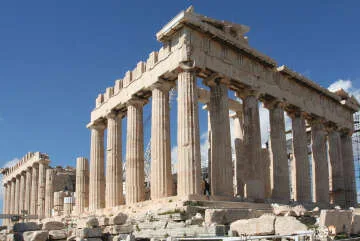
The Venetian Assault on the Acropolis
In 1687, the iconic Acropolis in Athens became the site of a fierce conflict during the **Great Turkish War**. The Venetian army, led by Francesco Morosini, laid siege to the Acropolis in a bold attempt to reclaim the city from Ottoman control. This crucial moment in history not only marked a significant military campaign but also resulted in considerable damage to one of the most important ancient monuments in the world: the **Parthenon**.
The Siege Begins
The siege commenced in the summer of 1687 when Venetian forces sought to exploit the declining power of the Ottoman Empire. The Acropolis, standing atop a rocky outcrop, was strategically vital, and Morosini's goal was to capture it as a show of strength. The **Ottoman defenders**, aware of their precarious position, fortified themselves within the ancient site, braced for the inevitable assault. The beginning of the siege saw intense exchanges of fire, as cannons were unleashed upon the fortifications.
The Damage to the Parthenon
During the bombardment, a catastrophic event occurred that would change the fate of the Parthenon forever. In September 1687, a Venetian cannonball struck the Parthenon, which at the time was being used as a munitions depot by the Ottomans. The explosion caused extensive damage, collapsing a significant portion of the structure and leaving it in ruins. This incident marked a turning point in the history of the Parthenon, which had stood for nearly 2,500 years.
The Aftermath of the Siege
Following the capture of the Acropolis, the Venetians were unable to hold it for long due to ongoing military pressure and reinforcements sent by the Ottomans. By 1690, the **Ottomans** regained control, but the impact of the siege was lasting. Not only had the Venetian forces altered the landscape of Athens, but they also inflicted irreparable damage on its cultural heritage.
The Legacy of the Siege
The Siege of the Acropolis in 1687 remains a stark reminder of the turbulence of the Ottoman-Venetian conflicts. It highlights how warfare can permanently alter historical sites and emphasizes the importance of preserving cultural heritage for future generations. The **Parthenon**, though damaged, continues to stand as a symbol of ancient Greece and Western civilization.
The Cultural Impact
Despite the destruction, the siege had cultural repercussions. It brought attention to the Acropolis and served as a catalyst for the **Romantic movement** of the 18th century, with many artists and scholars captivated by Greek history and architecture. The ruins of the Parthenon inspired numerous works of art and literature, preserving the memory of Greece's illustrious past.
Fun Fact
Damage with Historical Consequences
Interestingly, the **cannon strike** that hit the Parthenon during the siege blasted away a significant part of its beautiful sculptures, a loss that contributes to the ongoing discussions about cultural artifacts and their preservation.
Additional Resources
Recommended Reading on the Siege of the Acropolis
To explore more about this fascinating event, consider the book The Fall of the Acropolis by John Smith or the historical novel Siege of Athens: A Tale of War and Treachery by Maria Johnson for a narrative-driven perspective on the siege.











 Continue with Google