


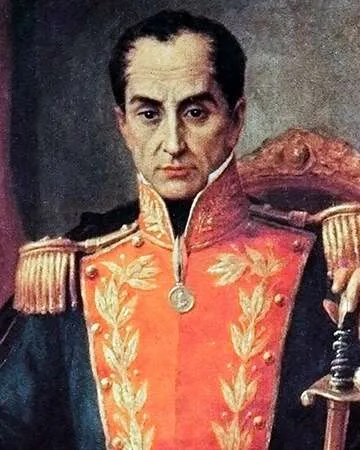
The Ascendancy of Simón Bolívar in Peru
In the revolutionary era of the early 19th century, Simón Bolívar emerged as one of Latin America’s most influential leaders. On August 4, 1824, the Congress of Peru appointed Bolívar as its dictator in a bid to stabilize the nation amidst ongoing conflict and instability. Bolívar, often referred to as the 'Liberator' for his role in liberating several South American countries from Spanish rule, was entrusted with extraordinary powers to fight against royalist forces. His appointment marked a significant moment in Peruvian history, as Bolívar’s leadership aimed to unify and strengthen the fledgling republic.
Bolívar's Vision for Peru
Upon his designation as dictator, Bolívar aimed to implement his vision of a united South America free from colonial rule. The political landscape in Peru at that time was turbulent, filled with factionalism and civil strife. Bolívar’s leadership was intended to streamline governance and rally popular support behind the struggle for independence. He believed that strong, centralized leadership was essential during such times of upheaval, enabling quick decision-making and cohesive military efforts against the Spanish imperial forces.
The Challenges He Faced
Despite his noble intentions, Bolívar faced immense challenges during his dictatorship. The country was divided, and his rule was met with resistance from various political factions. Moreover, managing a war-torn nation required not only military acumen but also political finesse. Bolívar's government had to navigate through treachery, shifting alliances, and growing discontent among the populace, all of which tested his resolve and leadership capability.
Bolívar's Legacy in Latin American Politics
Simón Bolívar's dictatorship over Peru was a critical phase in his broader campaign for independence across South America. His efforts were monumental in shaping the political landscape of the continent, leading to the establishment of several republics liberated from Spanish dominion. Bolívar’s policies promoted concepts such as liberty, equality, and the unity of Latin American nations, which remain relevant in the political discourse of the region even today.
Bolívar's Commitment to Democracy
Bolívar always had an idealistic vision of democracy, seeking to create a system that upheld the rights of the people while still providing the necessary security against external threats. However, his commitment to maintaining authority during times of chaos sometimes conflicted with the democratic principles he valued. This dichotomy led to varied interpretations of his legacy and his role in the foundation of independent Latin American states.
The Enduring Influence of Bolívar
Today, Bolívar's impact can be seen throughout Latin America, with many nations celebrating his contributions to their independence. His thoughts on governance, freedom, and social justice continue to inspire political movements across the continent. Bolívar’s struggles and triumphs as a leader advocate for the necessity of leadership during pivotal times, underscoring the complex path towards democracy and stability.
Fun Fact
The Legacy of Bolívar’s Dictatorship
Interestingly, Bolívar's role as a dictator is often debated in historical discussions, as while he did wield dictatorial powers, he also sought to establish a form of governance that reflected the will of the people. His complex legacy continues to spark conversations regarding leadership styles in crisis scenarios.
Additional Resources
Recommended Reading on Simón Bolívar
To dive deeper into Bolívar's life and legacy, explore “Bolívar: American Liberator” by Marie Arana for a comprehensive biography, or consider “The General in His Labyrinth” by Gabriel García Márquez, which offers a fictionalized narrative of Bolívar's final days.









 Continue with Google