



The Genesis of 'Notes on Camp'
Susan Sontag and the Birth of a Cultural Phenomenon
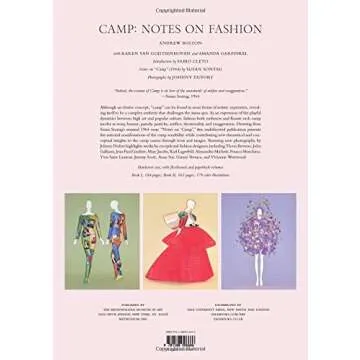
In 1964, renowned intellectual Susan Sontag published an essay titled "Notes on Camp". This pivotal work explored the aesthetic and emotional qualities of camp, a style characterized by exaggeration and artifice. Sontag's insightful prose captivated audiences and earned her a spot as one of Manhattan's brightest intellectuals according to a Time magazine review.
Understanding Camp Through Sontag's Lens
In her essay, Sontag dissected the cultural significance of camp, explaining how it diverged from traditional forms of seriousness in art and culture. She argued that camp aesthetic celebrates the unconventional by presenting bad taste as a form of valid expression, thus nurturing a unique cultural identity.
The Cultural Relevance of 'Notes on Camp'
How 'Notes on Camp' Influenced Popular Culture
With "Notes on Camp", Susan Sontag not only informed highbrow discussions but also impacted mainstream culture. The idea that camp could be embraced in art and fashion led to a renewed appreciation of kitsch and counterculture movements, influencing generations of artists, filmmakers, and performers.
Legacy of 'Notes on Camp'
The essay remains a cornerstone of contemporary thought on aesthetics and cultural studies, illustrating how Sontag opened avenues for dialogues on taste and identity in the realms of fashion, LGBTQ+ culture, and beyond.
Fun Fact
The Quirky Charm of Camp
Interestingly, a common element in camp is its humorous exaggeration where things are so over-the-top they challenge the viewer's perception of taste, making notes on camp not just an intellectual treatise but a joyous celebration of artifice.
Additional Resources
Recommended Reading on Susan Sontag
For those intrigued by Susan Sontag's works, consider exploring her other influential writings, such as “Against Interpretation” or “On Photography”, which delve deeper into art criticism and cultural theory.












 Continue with Google