


The 1982 Israeli Troops March to Beirut
The year 1982 marked a pivotal and controversial moment in Middle Eastern history when **Israeli troops** advanced into **Lebanon**, culminating in their arrival at the outskirts of **Beirut**. This military operation was primarily justified by Israel as a necessary measure to combat the growing influence of the *Palestine Liberation Organization (PLO)*, which had established a significant presence in Lebanon, especially in the aftermath of the Lebanese Civil War.
The Background of Israel's Objectives
In response to several cross-border attacks and increasing rocket fire from *Lebanon*, **Israel** launched **Operation Peace for Galilee**. Their stated aim was to eradicate the PLO's military capacity, ensure the safety of its northern borders, and establish a friendly government in Lebanon. The decision to invade was also influenced by a desire to restructure Lebanon’s political landscape, which at the time was fractured among various factions.
Confrontation and Strategic Push
As the **Israeli Defense Forces (IDF)** pushed into southern Lebanon, they faced fierce resistance from *PLO* militants and their Lebanese allies. It resulted in intense urban warfare and significant civilian casualties. The advance towards Beirut was marked by a series of battles as Israeli forces moved closer to the capital, which not only exposed the strength of the IDF but also raised international concerns about the humanitarian impact of the conflict on Lebanese civilians.
The Siege of Beirut: A Turning Point
Once Israeli troops surrounded Beirut, the situation escalated into a prolonged siege. The ** IDF's** strategy aimed to pressure the PLO into a surrender by cutting off supplies and bombarding the city. The siege lasted several weeks, drawing significant international condemnation due to the horrors experienced by the civilian population caught in the conflict.
The International Reaction to the Siege
The human cost of the siege garnered global attention, leading to diplomatic interventions from various nations. These included demands for humanitarian access and calls for ceasefire negotiations. As the situation intensified, it became clear that the conflict was not solely a **military** engagement but also a diplomatic quagmire involving multiple regional players and addressing the broader Arab-Israeli tensions.
The PLO's Dilemma in Beirut
Amidst the siege, the PLO faced a dire situation as options dwindled. The leadership, including *Yasser Arafat*, was forced into a position of negotiating their exit while under constant duress. Their predicament exemplified the struggle of the Palestinian cause against overwhelming military power, raising questions about the future direction of their movement.
Fun Fact
The Day Israel Entered Beirut
Interestingly, the Israeli invasion of **Lebanon** led to the large-scale evacuation of PLO fighters and leadership from Beirut to other countries, altering the dynamics not only for Lebanon but for the entire Palestinian cause.
Additional Resources
Recommended Reading on the 1982 Israeli Invasion
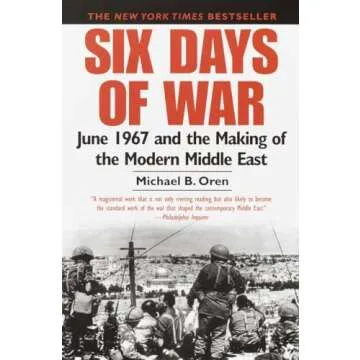
For those interested in a deeper understanding of this complex event, consider reading “The Lebanon War: A History” by **Khaled N. Sayad** or “PLO: The Struggle for a State” by **Rashid Khalidi**, both of which provide insightful perspectives on the conflict and its ramifications.











 Continue with Google