


The 2018 Cartoon Controversy: An Overview
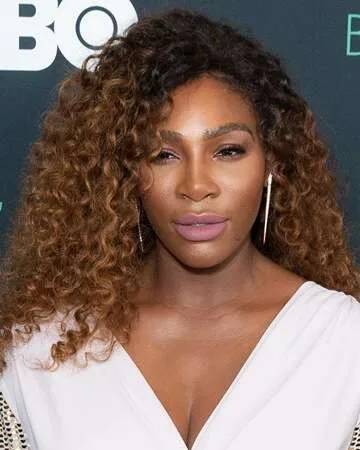
In September 2018, the Australian newspaper Herald Sun sparked major backlash when it published a controversial cartoon depicting American tennis star Serena Williams. The cartoon, created by cartoonist Mark Knight, portrayed Williams in a highly exaggerated and derogatory manner, which many criticized as racially insensitive. Following her loss at the US Open Final, where she famously argued with the umpire over officiating decisions, the cartoon was seen as a direct reflection of racial stereotypes and the media's treatment of Black women in sports.
Public reaction to the cartoon was swift and fierce, with many calling it not only racist but also sexist, highlighting the compounded nature of discrimination against prominent women of color. Major social media platforms became battlegrounds for voices either condemning or defending the cartoon, illustrating the polarized opinions regarding race, art, and freedom of expression.
Serena Williams' Legacy
Serena Williams has been a trailblazer in professional tennis, breaking barriers and standing up against numerous challenges in her career. Her legacy is not just tied to her incredible athletic achievements, including 23 Grand Slam titles, but also her advocacy for gender equality and racial justice. The portrayal in the Herald Sun cartoon starkly contrasted her public persona as a strong, empowered athlete, thus igniting further discussions on how Black women are represented in media.
Mark Knight and Artistic Freedom
Mark Knight, the cartoonist behind the controversial depiction, defended his work by asserting the significance of artistic freedom and the role of caricature in political commentary. However, his justifications did little to quell the outrage, with critics arguing that the cartoon crossed the line from artistic expression into the realm of perpetuating harmful stereotypes.
The Broader Implications of the Controversy
This incident highlighted the ongoing conversation about race relations and representation in media. The uproar from various communities brought attention to the importance of mindful portrayals of public figures, especially those belonging to marginalized groups. The fact that Williams, a celebrated global athlete, faced such treatment raised critical questions about the accountability of media outlets and artists.
Media Response and Backlash
In response to the backlash, Herald Sun defended its publication decision citing journalistic integrity. Nevertheless, many advertisers and public figures expressed concern over the message the cartoon sent to audiences. Activists organized campaigns to call out such forms of expression, demanding a re-evaluation of the standards in media when depicting characters of different races and genders.
Legacy of the Cartoon Controversy
The controversy surrounding the cartoon ultimately led to increased dialogue about racism and sexism in sports journalism and beyond. It served as a reminder of the societal challenges that still exist regarding equality and representation in various forms of media, and the ways in which public figures, especially women of color, are portrayed.
Fun Fact
Serena Williams' Unbreakable Spirit
Despite facing numerous challenges both on and off the court, Serena Williams has continued to break records and advocate for social justice. Her resilience is evident not only in her sports career but also in her commitment to fighting for equality.
Additional Resources
Recommended Reading on Serena Williams
For those interested in exploring more about Serena's life and impact, consider reading "On the Line", her autobiography, or "Becoming" by Michelle Obama, which features a context of achievements and struggles faced by women leaders, including athletes like Williams.









 Continue with Google