


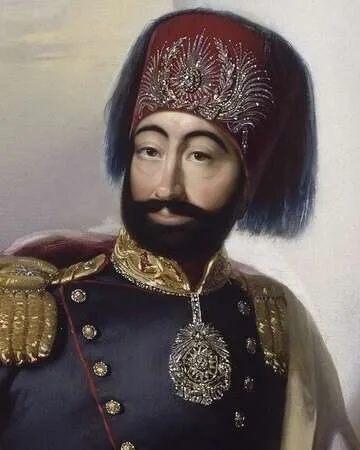
The Fall of the Janissary Corps
In an unprecedented move that would change the course of Ottoman history, Ottoman Sultan Mahmud II abolished the elite Janissary corps in 1826. Once revered as the backbone of the empire's military, the Janissaries had grown increasingly corrupt and resistant to reforms. This event, recognized as the Auspicious Incident, marked a significant turning point for the Ottoman military and government.
Janissaries: From Elite Troops to Troublemakers
The Janissaries were originally formed in the 14th century as an elite military unit, consisting of enslaved young boys taken from Christian families and trained as loyal soldiers. However, by the early 19th century, the corps had become infamous for their privileges, involvement in politics, and opposition to any reforms that threatened their status. Their **insubordination** and refusal to adapt to the new military tactics of the time made them a liability for the sultan.
The Catalyst for Change: Sultan Mahmud II's Vision
Seeking to modernize the Ottoman Empire and restore authority, Sultan Mahmud II understood that the Janissaries were a major hurdle in achieving a **modernized army**. Their growing power and influence posed a direct threat to his rule. The sultan orchestrated a plan to eliminate the Janissary influence while simultaneously establishing a new, professional army that could effectively respond to modern warfare needs.
The Auspicious Incident Unfolds
On June 15, 1826, Mahmud II took decisive action against the Janissaries. He declared their dismissal and mobilized the new army to confront any resistance. The Janissaries were **caught off guard**, leading to violent clashes between the two forces. Thousands of Janissaries were executed, while others fled or were imprisoned, marking a brutal but necessary purge that solidified the sultan's power and authority.
The Aftermath of the Janissaries' Fall
The dissolution of the Janissaries paved the way for the creation of a modern, conscripted military. This change not only strengthened the Ottoman military but also further centralized the power of Sultan Mahmud II, allowing him to implement various **reforms** across the empire. The imperial structure was reshaped, contributing to a more efficient governance system.
The Legacy of the Auspicious Incident
The abolition of the Janissaries is recognized as a pivotal moment that exemplified the struggle between tradition and modernization within the Ottoman Empire. While it eliminated a major obstacle to reform, it also led to future unrest and challenges as various factions sought to fill the void left by the Janissaries' demise.
Fun Fact
The Irony of the Janissaries' Origin
Interestingly, the Janissaries were formed from conquered Christian boys as a form of military slavery, yet over the years, they came to hold immense power and wealth, leading them to resist reforms aimed at altering their privileged status.
Additional Resources
Recommended Reading on the Janissaries
For those interested in deeper exploration of this fascinating subject, consider reading "The Janissaries" by Jim D. McGowan and "The Ottoman Empire: A Short History" by Erik Jan Zurcher. These texts provide valuable insights into the history and significance of the Janissary corps in the context of Ottoman history.










 Continue with Google