


The Transformation of Nebraska: From Territory to Statehood
The journey of Nebraska from a U.S. territory to statehood is a remarkable chapter in American history, officially occurring on March 1, 1867. This moment marked a significant milestone as Nebraska was admitted as the 37th state of the United States. Its statehood followed decades of evolving governance and changing demographics, fueled by westward expansion and the promise of new opportunities in the American frontier.
The Establishment of Nebraska Territory
Initially, what we now know as Nebraska was part of the vast Nebraska Territory, created by the Kansas-Nebraska Act of 1854. This legislation promoted the idea of popular sovereignty, allowing settlers to determine whether to allow slavery in their territories. The years leading up to 1867 were filled with tension and conflict, largely due to these contentious issues, alongside the migration of settlers drawn by the fertile land and the burgeoning economy.
Nebraska’s Road to Statehood
As more settlers arrived and the population grew, the call for statehood intensified. By the mid-1860s, Nebraska’s population had increased significantly, reaching the threshold needed for statehood. Advocates for statehood pushed for the formal admission of Nebraska, emphasizing its agricultural potential and the need for self-governance. On March 1, 1867, the U.S. Congress approved Nebraska’s statehood, and Governor David Butler proudly raised the state flag.
The Future of Nebraska: Growth and Expansion
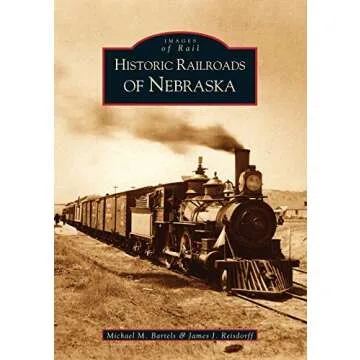
Following its admission, Nebraska experienced rapid growth and transformation. Over the following decades, the state continued to develop, expanding its borders and inviting settlers to explore its vast landscapes. The establishment of railroads and industries further fueled Nebraska’s economic growth, solidifying its status within the nation.
Nebraska’s Role in the Union
Nebraska, as a state, played a significant role in the development of the Midwest and became known for its influential agricultural output. The state's diverse economy flourished due to the combination of rich natural resources and industrious residents, contributing greatly to the U.S. economy.
The Expansion of Nebraska’s Borders
While Nebraska became a state in 1867, it continued to evolve over the years, with adjustments made to its borders. These changes allowed for the incorporation of additional land and communities into the state, enhancing its reach and influence in the region.
Fun Fact
Nebraska’s Unique State Name
Interestingly, the name ‘Nebraska’ is derived from the Otoe word "Nebraskah," which means "flat water” referencing the Platte River that runs through the state, showcasing the intrinsic connection between the land and its indigenous heritage.
Additional Resources
Recommended Reading on Nebraska Statehood
For those interested in exploring more about Nebraska’s rich history, consider reading The Rise of Nebraska: Essays on Statehood and The Nebraska Story: A History of the Cornhusker State. These resources provide deeper insights into the factors that led to statehood and the historical context of Nebraska’s development.







 Continue with Google