


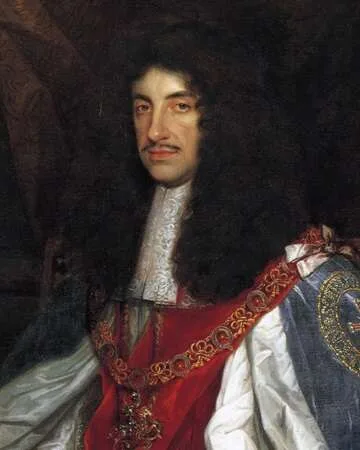
The Significance of the Anglo-Portuguese Marriage Treaty
The Anglo-Portuguese Marriage Treaty of 1661 marked a pivotal moment in the relations between England and Portugal. Established as part of a diplomatic marriage between King Charles II of England and the Portuguese princess Catherine of Braganza, this agreement solidified political alliances while also setting the stage for colonial expansion.
This marriage treaty was not merely a romantic arrangement; it was a strategic move that helped secure a powerful alliance against common enemies in Europe, particularly the Spanish Empire. By marrying into the Portuguese royal family, Charles II sought to enhance England's influence overseas, especially in the growing world of trade and colonization.
The Political Context of Charles II's Reign
During the reign of King Charles II, England was recovering from years of civil war and republican rule. The treaty served to strengthen the monarchy's position by establishing international partnerships that could support England's re-emerging status as a European power. Additionally, the possession of Tangier and Bombay brought significant trade opportunities to England and helped bolster its naval power.
The Role of Catherine of Braganza
Catherine of Braganza was more than just a pawn in a political game; she played an essential role in forging the alliance between England and Portugal. Her marriage to Charles II was celebrated both in England and Portugal, signifying the importance of this union to both nations. Despite facing considerable challenges—and lingering suspicions over her foreign origins—Catherine became a beloved figure in the English court.
Cultural and Economic Impacts of the Treaty
The Anglo-Portuguese Marriage Treaty had far-reaching effects on trade and cultural exchanges between the two nations. The agreement allowed for the transfer of important territories such as Tangier and Bombay to England, which played critical roles in the emerging British Empire.
Trade Expansion Through Tangier
Tangier, strategically located along the North African coast, became a vital stop for English shipping routes. The presence of English merchants stimulated local economies and provided opportunities for the exchange of goods, contributing to the mercantile wealth of both England and Portugal during this period.
The Cultural Tie to Bombay
Similarly, the acquisition of Bombay was transformative for England, eventually evolving into a cornerstone of British colonialism in India. The treaty not only enhanced the English economic foothold in India but also facilitated cultural exchanges, exemplified by the introduction of Portuguese influences in English society.
Fun Fact
Catherine of Braganza’s Interesting Fact
Interestingly, Catherine of Braganza is credited with popularizing tea drinking in England. After being introduced to the beverage during her stay in India, she made tea a fashionable drink at the English royal court, a tradition that has remained in British culture to this day.
Additional Resources
Recommended Reading on the Anglo-Portuguese Marriage Treaty
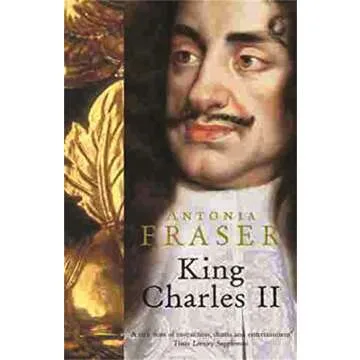
For those interested in exploring this topic further, consider reading "The Royal Marriage: Charles II and Catherine of Braganza" for detailed insights and "The Rise of the British Empire: A Historical Overview" to understand the implications of this treaty within the context of British history.










 Continue with Google