



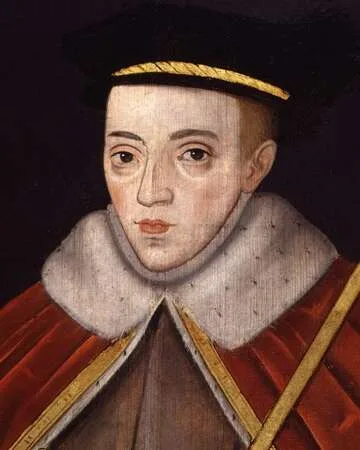
King Richard III: A Controversial Ascendancy
In 1483, amidst the political turmoil of England, Richard III emerged as a pivotal figure in the unfolding drama of the Wars of the Roses. Following the untimely death of his brother King Edward IV, Richard, formerly the Duke of Gloucester, found himself thrust into the role of king.
The legitimacy of Edward IV's children became a focal point of controversy, leading to Parliament's declaration that Edward V, Edward IV's eldest son, was illegitimate. This pivotal moment secured Richard's claim to the throne as he was not just a brother to the late king, but also as a ruler determined to stabilize the kingdom amidst growing unrest.
Richard III's Claim to the Throne
The declaration of illegitimacy concerning Edward V was grounded in complex claims about Edward IV's marriage and beliefs about the validity of his children's legitimacy. Richard III capitalized on this uncertainty, asserting that he was the rightful heir based on his royal lineage. His accession to the throne was seen by some as a necessary measure for ensuring the survival of the House of York.
The Political Landscape of 1483
The year 1483 was rife with factions and conflict. The young Edward V had been placed in the care of Richard, but the power dynamics shifted rapidly. Richard's rise was not merely about seizing opportunity; it was also about controlling the narrative and gaining the trust of those wary of turbulent governance.
The Reign of Richard III: Trial and Tribulation
Richard III's reign, though brief, was marked by significant challenges and controversies. His efforts to consolidate power were fraught with opposition from those who viewed his methods as tyrannical.
Richard III's Leadership Style
Richard's approach to leadership often invoked fear and mistrust among the nobility. His willingness to eliminate rivals and secure his position through drastic measures added to his notoriety. Over time, this cultivated a reputation that would haunt him throughout history.
Richard III's Legacy and Downfall
The most enduring elements of Richard III's story revolve around his ultimate defeat at the Battle of Bosworth Field in 1485, leading to the rise of the Tudor dynasty. His portrayal as a villain in Shakespeare's plays further scaffolded his infamous legacy.
Fun Fact
Richard III's Interesting Fact
Despite Richard III's reputation as a ruthless king, recent historical research and archaeological discoveries, particularly the excavation of his remains, reveal a more complex figure, challenging stereotypes and assumptions built over centuries.
Additional Resources
Recommended Reading on Richard III
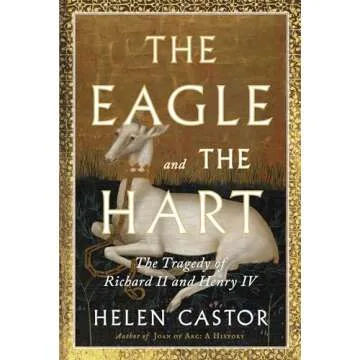
For those interested in exploring more about Richard III, consider reading The Daughter of Time by Josephine Tey, which presents an intriguing re-evaluation of his character, or Richard III: A Historical Novel by Anne Easter Smith, which offers a fictional interpretation of his life.








 Continue with Google