


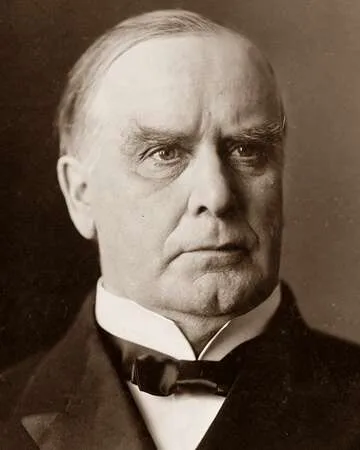
The Fatal Day at the Pan-American Exposition
On September 6, 1901, President William McKinley was attending the Pan-American Exposition in Buffalo, New York, a world's fair aimed at celebrating the progress of the Americas. It was a sunny day, and the exposition was a hub of activity, with thousands of visitors enjoying the sights and sounds. Little did anyone know that this occasion would become notorious for a tragic event that would change the course of American history.
As McKinley greeted the crowd, he was approached by a man in line, who unbeknownst to him was an anarchist named Leon Czolgosz. Czolgosz had been harboring anti-government sentiments, and his discontent culminated in this fateful attempt on the President's life. Without warning, he pulled out a revolver and fired two shots, hitting McKinley in the abdomen and chest. The president fell, and chaos ensued.
William McKinley’s Reactions and Aftermath
President McKinley was rushed to the hospital, where he underwent surgery. Initially, it seemed he might recover, but the wounds were severe, leading to complications. As news spread of the shooting, the nation held its breath, waiting for updates. Sadly, on September 14, McKinley succumbed to his injuries, making him the third U.S. president to be assassinated.
Leon Czolgosz’s Motivation
Czolgosz was quickly apprehended and taken into custody. During his trials, he stated that he believed he was acting on behalf of the working class against what he viewed as a corrupt government. His actions were fueled by the rise of anarchism at the time, which was characterized by extreme dissatisfaction with authority. Ultimately, he was convicted and executed in October 1901, but the implications of his act resonated throughout American politics.
A Nation in Mourning
The assassination of McKinley plunged the country into mourning. He was seen as a president who had led the nation through a time of economic prosperity and expansion. His death shifted the political landscape and led to the rise of his vice president, Theodore Roosevelt, who would take the oath of office in McKinley’s place.
Theodore Roosevelt Takes Charge
With McKinley’s assassination, Theodore Roosevelt would embark on a new phase of progressive reform within the government. He was known for his vigorous personality and dedication to tackling the issues of corruption and corporate power. Roosevelt's presidency marked a significant change from McKinley’s policies, leading to an era of transformation in America.
Impact on American Politics
The assassination had profound effects on the U.S. It raised awareness about the threats posed by anarchists and spawned a nationwide debate about security and the responsibilities of law enforcement in protecting leaders. Fast forward to the present day, and the legacy of McKinley’s assassination is still felt, sparking discussions on the balance of power amid growing dissent.
Fun Fact
McKinley’s Remarkable Life Before the Presidency
Before becoming president, William McKinley served in the Civil War, eventually rising to the rank of brevet major. His military background, coupled with his political career in Ohio, laid the foundation for his presidency and deeply influenced his leadership style.
Additional Resources
Recommended Reading on William McKinley
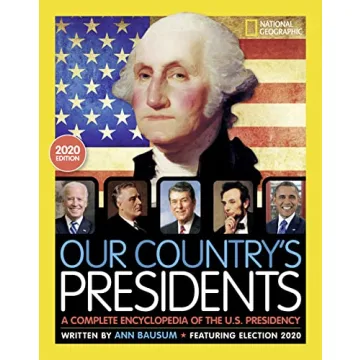
For those looking to delve deeper into the life and legacy of McKinley, consider reading “The President Is Shot: The Assassination of William McKinley”, which provides an in-depth examination of the events surrounding his assassination, or “William McKinley: The American Presidents Series” for a comprehensive biography.





 Continue with Google