


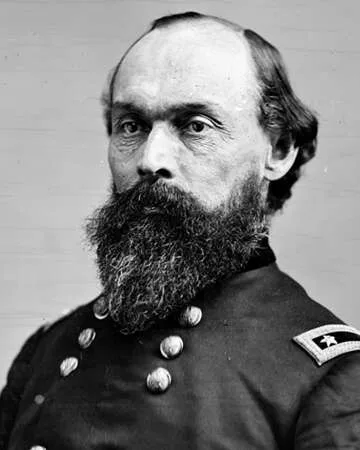
The Crucial Battle of Chickamauga
The Battle of Chickamauga, fought from September 19 to 20, 1863, is recognized as one of the most significant battles of the American Civil War. Taking place near Chattanooga, Tennessee, this encounter marked a turning point in the conflict, as it resulted in a decisive Confederate victory that forced the Union Army into a retreat, ultimately changing the course of the war.
Union Forces at Chickamauga
In preparation for this grueling confrontation, Union forces commanded by Major General William Rosecrans moved deeper into Confederate territory and aimed to capture Chattanooga, a critical supply line for the South. They had successfully pushed the Confederate Army under General Braxton Bragg out of Middle Tennessee, yet the terrain around Chickamauga proved treacherous and the enemy formidable.
Confederate Strategy
The Confederate strategy under General Bragg focused on taking advantage of the rugged landscape surrounding Chickamauga. His forces managed to regroup and launched fierce attacks aimed at disrupting Union lines. The tactical genius of Confederate generals like James Longstreet played a key role in the battle as they executed a series of surprise assaults that left Union soldiers overwhelmed.
Aftermath of the Battle
After two intense days of fighting, the battle culminated in a significant retreat for the Union Army. The Battle of Chickamauga resulted in over 34,000 combined casualties, marking it as one of the bloodiest battles in the Civil War. Following the battle, the Union forces withdrew to Chattanooga, which led to further military engagements in that crucial area.
The Consequences for the Union
The aftermath of the battle had profound implications for the Union Army. Their defeat at Chickamauga severely impacted morale and strategy, necessitating additional reinforcements and the eventual establishment of a siege around the city of Chattanooga. It also highlighted the need for stronger military leadership within their ranks.
Richard Taylor's Role during the Battle
Although not directly involved in the Battle of Chickamauga, General Richard Taylor was an important figure in the wider Southern campaign during this period. His insights into the Confederate strategy during major battles contributed to the overall effectiveness of their campaigns during the Civil War.
Fun Fact
Chickamauga's Historical Legacy
Did you know that the Battle of Chickamauga is named after a Native American word meaning "river of death"? This reflects the fierce and bloody nature of the conflict, which had lasting effects on the morale of both the Union and Confederate forces.
Additional Resources
Recommended Reading on the Battle of Chickamauga
For those interested in further exploring the details of this pivotal encounter, consider reading "Chickamauga: The Last Great Battle of the Civil War" and "This Terrible Sound: The Battle of Chickamauga". These works provide in-depth analysis and personal accounts of those involved in the conflict.




 Continue with Google