


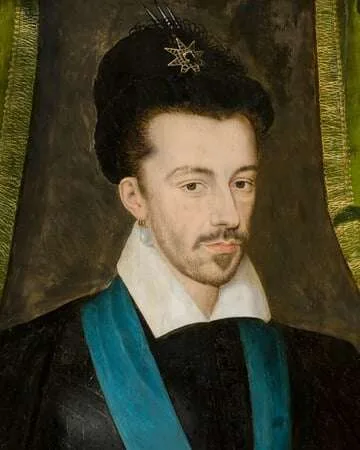
Overview of the Battle of Moncontour
The Riveting Clash between Catholics and Huguenots
The Battle of Moncontour took place on October 3, 1569, and was a significant confrontation during the French Wars of Religion. This battle marked a crucial moment where the royalist Catholic forces, commanded by Henry, Duke of Anjou, emerged victorious against the Huguenots, who were led by Gaspard de Coligny. The conflict occurred near Poitiers, France, amidst a backdrop of intense sectarian strife between the Catholic majority and the Protestant Huguenots.
The Strategic Importance of Moncontour
Located strategically near the town of Poitiers, the Battle of Moncontour was pivotal not only due to its military implications but also because it symbolized the ongoing struggle for power and religious dominance in France. The victory for the royalists under Duke Henry reinforced the Catholic Crown's authority and showcased the military capabilities of the opposing forces.
Key Players and Their Roles
Henry, Duke of Anjou: The Royal Commander
Henry, Duke of Anjou, who would later become Henry III of France, played a central role in the battle. His ability to rally the Catholic troops and execute a well-planned strategy was instrumental in securing this victory. Anjou's success at Moncontour catalyzed his rise within the royal hierarchy and solidified his reputation as a competent military leader.
Gaspard de Coligny: The Huguenot Leader
The Huguenots' commander, Gaspard de Coligny, was a prominent figure in the Protestant Reformation in France. Known for his tactical ingenuity and dedication to the Huguenot cause, Coligny's leadership at the battle exemplified the fierce resistance against the Catholic forces. Despite his defeat at Moncontour, he continued to be a key figure in the subsequent conflicts of the French Wars of Religion.
The Aftermath of the Battle of Moncontour
Consequences for the Huguenots
The aftermath of the Battle of Moncontour was dire for the Huguenots. The heavy losses inflicted upon them not only diminished their military strength but also weakened their political standing. This battle marked an escalation in the violence of the French Wars of Religion and set the stage for further brutal encounters.
Long-Term Impacts on French Politics
The outcome of Moncontour had lasting effects on French politics and society. The battle entrenched the division between Catholics and Protestants, leading to escalated hostilities and further conflicts. Ultimately, it contributed to a long and tumultuous period that shaped the future of France.
Fun Fact
Interesting Tidbit about the Battle of Moncontour
Interestingly, the Battle of Moncontour was not only a military confrontation but also showcased the use of early artillery tactics, illustrating the evolution of warfare during this period.
Additional Resources
Recommended Reading on the French Wars of Religion
For those wanting to delve deeper into the French Wars of Religion, consider reading "The French Wars of Religion 1562-1629" by R. J. Knecht for a comprehensive overview, or "The Huguenots: History and Memory in the Languedoc" by Susan B. Wabuda for an in-depth look at the Huguenots’ struggles.











 Continue with Google